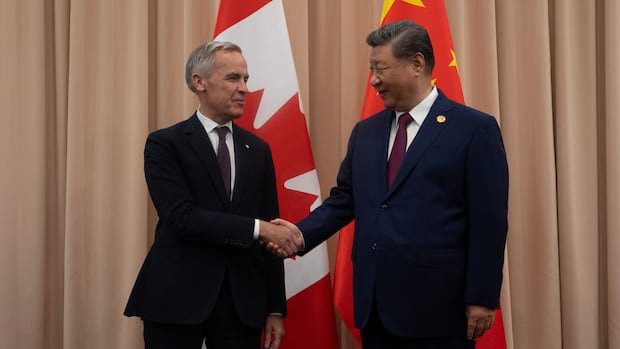
Ottawa — A move earlier this year to permit a limited number of Chinese-made electric vehicles into Canada had been cast by some observers as a bargaining chip linked to canola tariff talks. But mounting signs suggest the policy may instead reflect a broader, longer-term shift toward a more substantial climate partnership with China, Canada’s largest source of clean-energy investment and a major player in global decarbonization efforts.
Officials confirmed that the initial allowance of a token quantity of electric vehicles from China was not merely a negotiating tactic. Insiders say the government is pursuing a structured engagement with Beijing on clean energy development, technology transfer, and joint projects that could expand Canada’s access to Chinese solar, wind, and critical minerals supply chains.
Analysts note several factors driving the pivot. China’s rapid advances in electric mobility, battery technology, and grid-scale storage present opportunities for Canada as it seeks to accelerate its own net-zero agenda. Conversely, Beijing has shown interest in diversifying export markets and securing supply chains amid global climate transition pressures, sanctions, and trade tensions.
The shift comes as Canada-funded research and policy discussions intensify around cross-border green infrastructure, including potential collaborations on low-emission vehicle manufacturing, hydrogen initiatives, and grid modernization. Officials emphasise that any cooperation would adhere to Canada’s standards and resilience priorities, with safeguards to protect sensitive technologies.
Environmental groups caution that climate gains hinge on enforceable commitments and transparent governance. They urge Canada to maintain stringent export controls for critical technologies and to ensure that any energy partnerships deliver tangible reductions in greenhouse gas emissions, not just headline agreements.
While the exact terms remain under discussion, Ottawa’s approach signals a strategic recalibration from a narrow tariff negotiation posture toward a broader, technologically integrated climate diplomacy with China. Observers say the next steps will determine whether the relationship yields measurable environmental benefits or remains framed by geopolitical and trade considerations.