Ottawa, Canada — Health Canada has granted authorization for a clinical trial of an mRNA-based Ebola vaccine in response to a significant outbreak of the disease in the Democratic Republic of Congo. The approval allows researchers to proceed with testing the vaccine’s safety and effectiveness in the affected region, marking a notable step in the international effort to curb a virus that has caused recurrent and serious health crises.
The trial focuses on the Bundibugyo strain of the Ebola virus, which has been implicated in the recent surge of cases in parts of the DRC. Health Canada’s action comes as global health agencies intensify collaboration with local authorities to deploy vaccines and other countermeasures to contain transmission, protect healthcare workers, and prevent further fatalities.
Details surrounding the study, including the number of participants, trial sites, and expected timelines, have not been disclosed by Health Canada in publicly released materials. The regulatory decision follows submissions from the vaccine developers and partner organizations outlining the trial design, oversight measures, and ethical safeguards to ensure informed consent and participant safety in the context of an active outbreak.
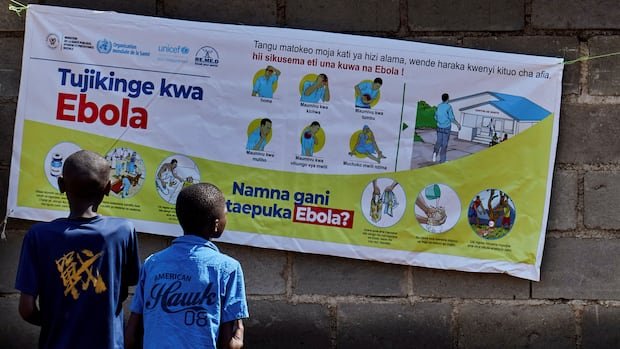
Public health responses in the DRC continue to emphasize surveillance, case management, and community engagement to limit spread. International partners have previously supported vaccination campaigns and outbreak response efforts, though outbreaks of the Bundibugyo strain have posed ongoing challenges due to geographic spread, resource constraints, and community mistrust in some areas.
Experts say the use of mRNA technology in Ebola vaccines represents a promising frontier in outbreak response, given the platform’s adaptability and potential speed of production. However, experts also caution that clinical trials must rigorously assess safety profiles and effectiveness across diverse populations and outbreak settings.
Health Canada indicated it will require ongoing monitoring and reporting from the trial as results emerge, with data shared with global health authorities to inform potential regulatory decisions and future vaccination strategies for Ebola.