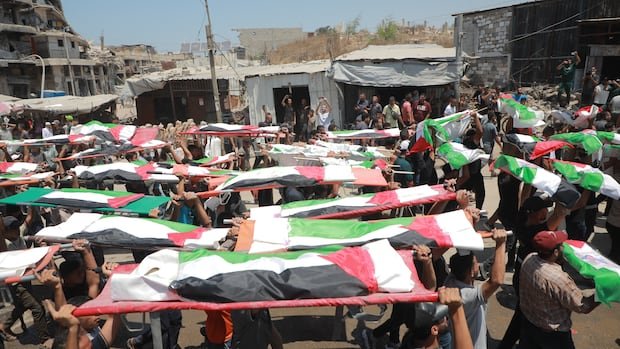
The airstrike that claimed the lives of the 112 individuals occurred during a period of intensified fighting in Gaza, contributing to a broader, protracted conflict that has left thousands dead and many more displaced. The families involved described a mix of relief and sorrow as they finally laid their loved ones to rest, acknowledging the long wait and ongoing uncertainties surrounding other remains still believed to be beneath rubble.
Photos accompanying the event showed mourners transporting the shrouded remains on stretchers, a stark reminder of the scale of destruction that has affected many households across Gaza. Officials did not disclose broader casualty figures tied to the incident, but the ceremony underscored the enduring ache within communities that experienced sudden, devastating losses.
Humanitarian agencies and local authorities have repeatedly highlighted the challenges of identifying, recovering, and respectfully interring remains when infrastructure and access are disrupted by ongoing hostilities. For families like the Abu Sharia and Hasayna, the burial ritual provides a measure of closure, even as it comes years after the initial tragedy.
As the conflict persists, observers say these kinds of ceremonies emphasize the emotional and logistical toll on civilians caught in the crossfire. The event also raises questions about the handling of post-conflict burials and the search for additional remains that may still be entombed beneath affected districts.
The funeral in Gaza City serves as a somber reminder of the human cost of the war, and a testament to the resilience of families seeking to honor those lost, while continuing to grapple with the losses that cannot be recovered.