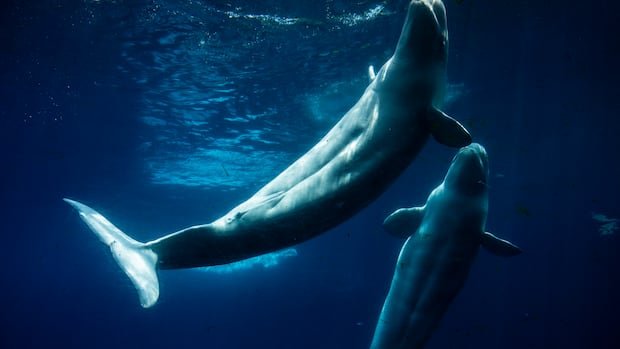
Observers and former staff describe a stark transformation from the park’s peak era to its current status. Historical enthusiasm for Marineland’s aquatic spectacles gave way to increased scrutiny over animal welfare and ethical concerns surrounding keeping large marine mammals in captivity. Critics cited evolving standards and heightened awareness as factors contributing to a decline in attendance and funding.
The park’s decline has unfolded amid broader industry pressures, including competition from other entertainment venues and shifts in tourism patterns. While Marineland once relied on its signature shows and extensive marine collection to attract visitors, those draws no longer sustain the operation as robustly as in past decades.
Details about the park’s financial health, negotiations with creditors, or specific timelines for its future remain limited. However, stakeholders in the region note that the site’s status as a long-standing landmark in Niagara Falls has changed posture—from a thriving tourism hub to a facility navigating the realities of closure and transition.
Local officials and tourism advocates say the region will need to adapt as Marineland winds down. Possible outcomes under consideration include repurposing the land for alternative attractions, research facilities, or community-use spaces, though no definitive plan has been publicly announced.
As Marineland moves toward its final chapters, the broader public conversation continues to focus on the legacy of marine-animal parks and the responsibilities of facilities housing cetaceans and other large marine species. The park’s past era of mass popularity stands in parallel with contemporary calls for higher standards in animal care and transparent governance.