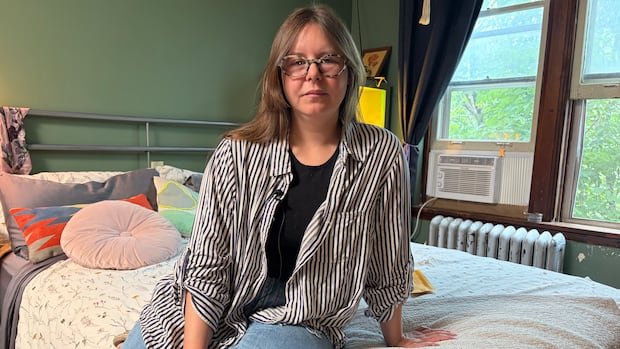
The dispute centers on a 78 percent rent hike requested by the building’s owners for the units at 303 Furby Street. Tenants say the improvements — including new flooring, lighting, and a security system installed at the entrance and hallways — do not justify such a steep rise in monthly rent. One resident, Allana Swayze, told reporters she anticipated some increase following the renovations but was taken aback by the magnitude of the proposed raise.
Tenants have organized to contest the proposal, signaling plans to take the matter to the Residential Tenancies Branch. They argue that the upgrades do not constitute substantial capital improvements that would warrant a rent increase at that scale and contend the hike would place an undue burden on residents.
Property owners and management have not publicly detailed the financial rationale behind the 78 percent increase in the published material available to tenants. The case has drawn attention to broader debates in Winnipeg about rent controls, housing affordability, and the balance between property maintenance costs and tenant protections.
Advocates for tenants emphasize that while building upkeep is necessary, any rent adjustments should reflect verifiable improvements that rise above routine maintenance. They caution that disproportionate increases can accelerate displacement and heighten housing insecurity for long-standing residents.
The Residential Tenancies Branch typically reviews such requests to determine whether proposed increases align with provincial guidelines and whether the work performed qualifies as a recoverable capital expense. A decision in this matter could set a precedent for similar cases in Manitoba, where tenant advocacy groups have pressed for clearer rules governing rent increases tied to renovations.
No timetable was provided for when a decision will be issued, and the parties involved could seek mediation or other remedies as the process unfolds. Residents expressed a desire for a fair resolution that recognizes the value of the improvements while protecting tenants from unaffordable rent spikes.