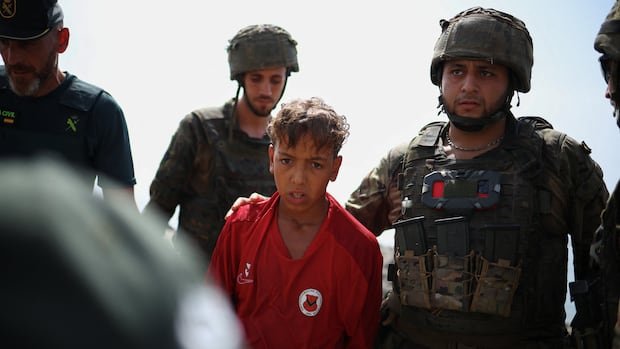
Officials say 80 people died as they sought entry to Ceuta, a Spanish territory on the northern tip of Africa, in a series of perilous crossings. The tragedy unfolded amid ongoing mass movements of people from Morocco toward European shores and border points. The incident occurred as authorities and rescue services intensified efforts to monitor the routes that have become increasingly crowded in recent weeks.
The deaths come at a time of heightened political sensitivity across Europe regarding migration policy. In many European capitals, officials are faced with diverging priorities: expanding humanitarian protection for asylum seekers and maintaining border controls to deter illegal entry. The Ceuta incident is likely to intensify political debates about what measures are appropriate to prevent future loss of life while addressing security and public health concerns.
Ceuta has historically been a flashpoint in the broader migration landscape between Africa and Europe, with both sea and land routes. The latest casualty figures underscore the ongoing risks faced by migrants attempting to cross into Spain and the broader Schengen area. Spanish authorities, along with regional and international partners, are continuing rescue and recovery operations and are expected to release further details on the manner and timing of the incident.
Humanitarian groups have called for safer, more predictable pathways for migrants and for increased support to countries of origin and transit to reduce dangerous crossings. As European leaders weigh policy options, the Ceuta tragedy is set to fuel debates about how to balance border management with obligations to protect vulnerable people seeking asylum.