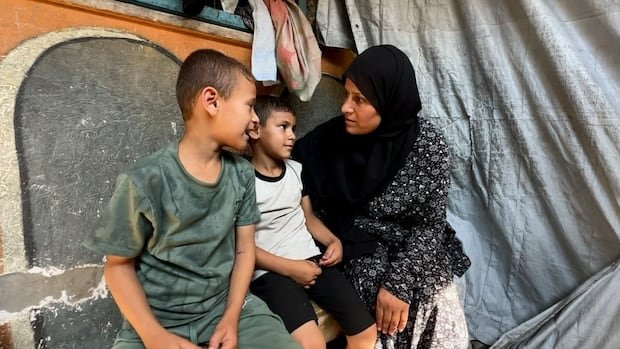
The increase comes amid prolonged humanitarian strain in Gaza, where residents are contending with restricted access to essentials, including food, clean water, and medical care. While the precise causes of the surge have not been fully disentangled, medical professionals cited several contributing factors linked to the harsh living conditions. A physician working in central Gaza noted that conditions such as sustained stress, fear, and anxiety may play a role, alongside broader health-system pressures that limit access to prenatal and reproductive health services.
The report’s timing underscores the broader impact of ongoing conflict and blockade on maternal health. UNFPA indicated that the data, while significant, only begins to capture the broader reproductive health challenges faced by Gaza’s population, particularly for pregnant people who may be delaying or forgoing essential medical care due to safety concerns and infrastructure disruption.
Humanitarian officials emphasized the need for safe and reliable access to healthcare, including obstetric services, as part of any effort to address this spike. They also highlighted that the situation is evolving, with status updates requiring verification as more data becomes available and as conditions on the ground change.
Gazans in the territory have increasingly faced overcrowded shelters and limited privacy in temporary learning and aid facilities, which complicates health monitoring and the delivery of routine care. Local medical staff and aid agencies have repeatedly called for unimpeded access for medical personnel and supplies to help mitigate further health risks for pregnant individuals and new and expectant families.
UNFPA urged continued reporting and collaboration with local health authorities to understand the drivers of miscarriages more comprehensively and to prioritize reproductive health services in relief and reconstruction planning.