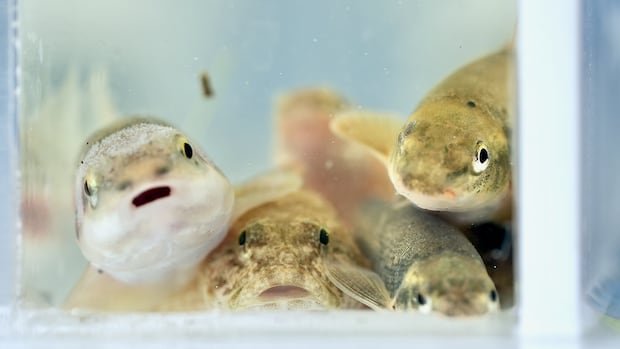
The reporting focuses on Ontario rivers, where scientists from groups including Ontario Streams have conducted surveys in spring 2025. In one example from Tannery Creek in Aurora, Ontario, researchers gathered a variety of fish during an electrofishing survey. The captured specimens were measured, weighed, recorded, and then released back into the creek, underscoring a non-lethal approach to cataloging aquatic life. The image accompanying the report shows several fish facing the camera in a small container, illustrating the hands-on nature of fieldwork.
Beyond the field, scientists are turning to environmental DNA (eDNA) sampling to detect species presence without physically capturing individuals. This method allows researchers to infer which species are in a river ecosystem by analyzing water samples for genetic material shed by organisms. The combination of traditional capture methods and modern genetic tools is painting a more complete picture of river biodiversity.
Experts emphasize that freshwater ecosystems are under pressure from pollution, climate change, and habitat alteration, factors that can drive declines that may not be immediately visible to surface observers. By documenting species richness and distribution, researchers aim to track changes over time and identify indicators of ecological stress.
The broader goal, according to the scientists, is to increase public awareness about the creatures that share waterways with people and to inform conservation strategies. Knowing which species live in rivers helps communities understand water quality, informs restoration efforts, and supports efforts to curb species declines before they reach a point of irreversible loss.