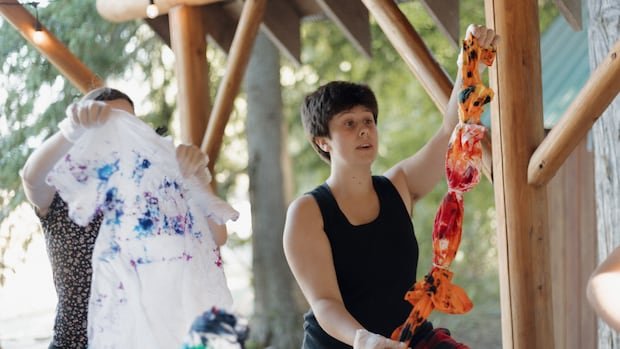
Organizers say these programs provide a range of activities designed to foster connection and relaxation. Participants engage in classic camp amusements such as tie-dye, friendship-bracelet making, capture the flag, and group yoga, alongside other offered adventures and social events. The appeal for attendees centers on unplugging from screens and work obligations, while still enjoying the camaraderie and sense of community that camp environments traditionally offer.
Industry observers note that interest in adult-focused camps has grown amid broader conversations about mental health, work-life balance, and the importance of social interaction in adulthood. Camps advertise accessible formats and schedules that suit varying levels of physical ability, with some programs emphasizing inclusive, low-pressure experiences rather than competition.
Locations for these programs span rural and lakeside settings, with itineraries designed to balance structured activities and free time. Participants describe the experience as a chance to reset, meet diverse peers, and explore hobbies or interests in a supportive group dynamic. Event organizers caution that while the atmosphere is recreational, planning and safety considerations remain a priority, including appropriate supervision and adherence to local guidelines.
The movement aligns with a broader cultural reorientation toward experiential leisure, where adults seek novel experiences as a form of self-care. As the camp sector expands, organizers expect ongoing interest from professionals, retirees, and students alike who want a temporary escape that combines fun, community, and personal well-being.
For those considering a retreat from routine, camp adventures promise a reset in a setting that blends nostalgia with contemporary social connection.