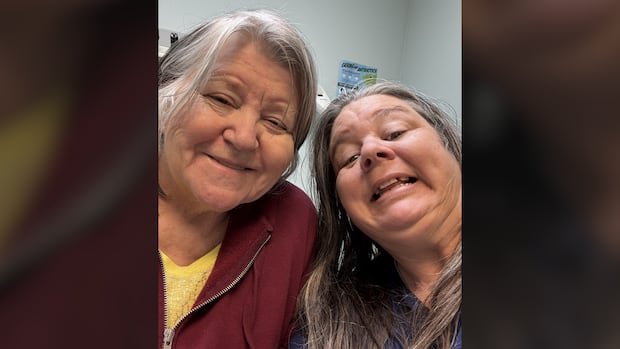
The elder MacCormac had previously cared for her own mother, and she translated those lessons into a practical blueprint for managing day-to-day needs, safety concerns, and medical considerations as dementia progressed. Crystal says the guide served as a living document, evolving with her mother’s insights about arranging routine, monitoring memory changes, and coordinating healthcare supports.
Health professionals observing the case note that individualized planning can be instrumental in dementia care, especially when a family member has prior caregiving experience. The guide emphasizes clear communication, consistent routines, and a proactive approach to addressing behavioral changes, medication management, and caregiving logistics.
Crystal MacCormac describes the document as both a roadmap and a source of reassurance for family members and caregivers who might otherwise feel overwhelmed. The guide, she says, was not a memorial or a set of static guidelines, but an actively updated plan reflecting the patient’s evolving needs and preferences.
Experts highlight that while a self-authored care plan is not a replacement for clinical guidance, it can complement professional medical advice by capturing personal preferences, daily routines, and practical strategies that matter to the patient and their family.
The story underscores broader themes about dementia care within families: the value of early planning, the role of family memory in shaping care, and the potential benefits of documenting experiential knowledge to support future caregivers.
The article contributing to this report notes that such homegrown plans can help families navigate the complex landscape of dementia care, providing a framework that aligns medical guidance with lived experience. The focus remains on ensuring safety, preserving dignity, and maintaining quality of life for the person diagnosed.