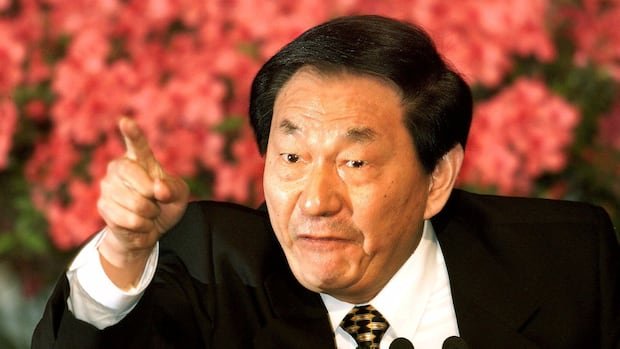
Zhu, a veteran Communist Party leader, served as premier from 1998 to 2003, during a period marked by aggressive market-oriented reforms aimed at transforming China’s state-led economy into a more open, competitive system. His tenure saw a focus on restructuring state-owned enterprises, accelerating financial liberalization, and improving regulatory oversight, all with the aim of sustaining rapid growth while stabilizing the economy.
Official tributes highlighted Zhu’s blunt, outspoken style, which colleagues said reflected a willingness to take unpopular measures necessary for long-term reforms. He earned a reputation for pressing departments and enterprises to meet targets, a characteristic that both propelled reforms and drew criticism from those affected by the upheaval of restructuring.
Zhu’s leadership coincided with China’s determined push toward reintegration with the global economy. He played a key role in negotiations and policymaking that culminated in China joining the World Trade Organization in 2001, a landmark step that facilitated greater access to global markets and deeper economic integration.
Before becoming premier, Zhu held multiple government and party roles, including leadership positions in Shanghai during the early stages of his career, where he gained recognition for his emphasis on efficiency and modernization. His rise to national prominence aligned with a broader national strategy to modernize China’s economy and boost its international standing.
The death of Zhu Rongji closes a notable chapter in China’s post-reform era. Analysts note that his policies helped shape an economy that grew rapidly in the following decades, though they also underscored the social and political costs that accompanied rapid transformation. The date and causes of his death were not immediately disclosed in initial reports.