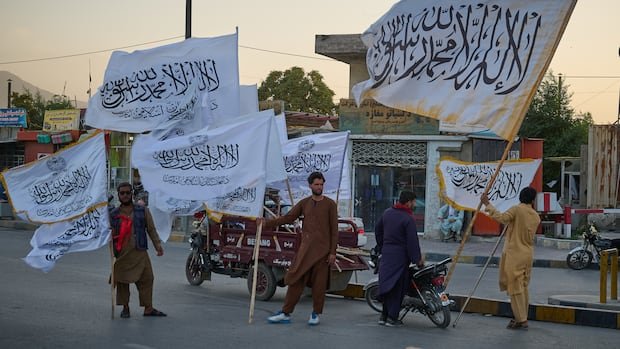
The Taliban’s ascent disrupted lives across the country, with hundreds of thousands displaced as families fled violence, poverty, and the collapse of institutions. The regime’s reimposition of strict, authoritarian rule has profoundly curtailed everyday freedoms. Observers note a systematic exclusion of women from public life, the suppression of free media and dissent, and the enforcement of rigid moral codes through a centralized ministry overseeing compliance.
International attention has continued to focus on the humanitarian consequences and the challenges of governance under Taliban rule. Aid organizations and international bodies have emphasized the need for sustained relief efforts while navigating access restrictions and political sensitivities. The broader regional and global implications include concerns about security, economic isolation, and the potential for continued human rights abuses to persist unchecked.
Within Afghanistan, families have faced stark choices as livelihoods erode and protection networks shrink. Reports highlight restrictions that limit education and employment opportunities for women, alongside the clustering of power within a small ruling elite. Critics argue that without broad-based political inclusion and credible guarantees for fundamental rights, fragile stability remains elusive.
Analysts say the five-year period has underscored the complexities of state-building under a regime resistant to reform, despite international calls for inclusive governance and accountability. The humanitarian crisis, coupled with political repression, continues to shape a national landscape where resilience coexists with fear.
As Afghanistan marks this anniversary, observers caution against short-term solutions. Long-term recovery hinges on international engagement that prioritizes human rights, equitable access to services, and the creation of space for civil society, even as the Taliban leadership maintains tight control over governance and public life. The path forward remains uncertain, with the world watching closely for any transformative shifts or renewed indicators of worsening conditions.