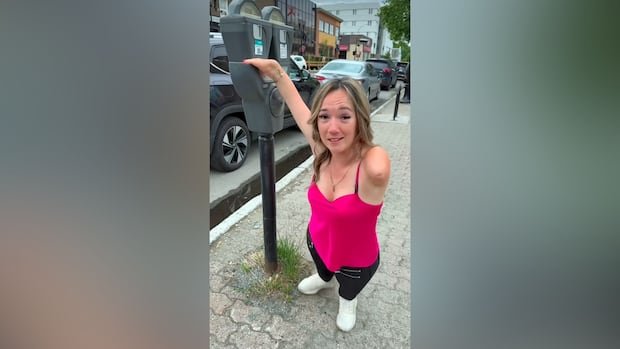
Charlie Rousseau, who traveled to Rouyn-Noranda for a festival in June, said the meters require coins and a specific reach to insert payment, a task she cannot perform easily. Rousseau, who uses mobility aids and has difficulty handling small coins, contends that the city’s meters fail to accommodate drivers with accessibility needs. She presented her case after receiving the ticket, which she says was issued despite her inability to pay using the meters’ traditional mechanism.
The incident has drawn attention to broader concerns about accessibility in municipal parking infrastructure. Advocates say older meters, which mandate coin insertion and manual operation, can create obstacles for individuals with limited dexterity, arthritis, or other mobility challenges. They argue that alternative payment options, such as contactless systems or mobile apps, are essential to ensure fair access to parking.
Rouyn-Noranda officials have not publicly detailed their stance on Rousseau’s ticket or whether meter upgrades are planned. The city, like many smaller municipalities, continues to operate with legacy meters in some areas, particularly during busy festival periods when parking demand increases.
Rousseau’s case underscores a larger national conversation about accessibility in public services. Disability rights groups have long pressed for modifications to municipal infrastructure to accommodate diverse needs, including better payment options at meters and improved signage indicating accessible parking zones.
If the ticket stands, Rousseau said the outcome would highlight the tension between municipal revenue collection and the rights of people with mobility challenges. She indicated she would pursue further steps, including seeking guidance from accessibility advocates and municipal officials.
The Rouyn-Noranda case may influence considerations in other communities still using traditional meters, prompting discussions about modernization and the potential for more inclusive payment methods that can prevent similar penalties for those who cannot easily pay with coins.