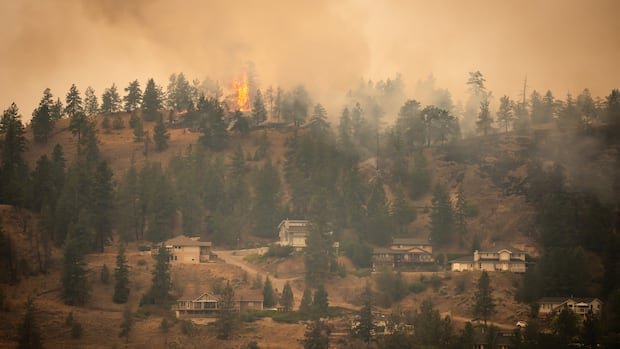
Authorities report that hundreds of homes and other buildings have been destroyed or damaged as fires burn across the province. As residents begin the long road to recovery, industry experts say even those who carry comprehensive insurance will face a complex and time-consuming process to rebuild.
Claims handling is expected to be a critical hurdle. Insurance experts note that standard homeowner policies often cover fire damage, but the specifics can vary, including coverage limits, deductibles, and exclusions. Policyholders are urged to review their documents to understand what is and isn’t covered, and to document losses thoroughly with photographs, inventories, and official fire reports.
Several factors can influence claim outcomes. Rebuilding costs have fluctuated due to market changes, and supply chain disruptions can affect the availability and pricing of materials and labor. In some cases, homeowners may need temporary housing while repairs are underway, and policy provisions for additional living expenses can become important.
Adjusters typically assess property damage on-site and may require professional appraisals for large or complex losses. The process can involve coordinating with multiple parties, including contractors, engineers, and, in some cases, municipal authorities regarding rebuilding permits and land-use requirements.
Experts stress the importance of communicating promptly with insurers and keeping records of all correspondence. Policyholders should also be prepared to provide evidence of pre-loss property condition, recent upgrades, and any applicable permits or enforcement notices related to the fire event.
While discussions around insurance can be daunting, advocates say understanding the basics—what is covered, the claims timeline, and the steps to document losses—can help homeowners navigate the recovery more effectively. As the wildfire season continues, residents are reminded to stay informed about local conditions and available support services.