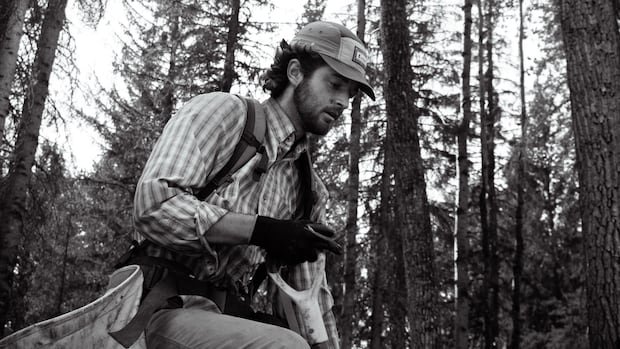
The image accompanying Bonn’s reflections shows him in a plaid shirt, standing among densely planted seedlings, a symbol of the labor and precision required in reforestation efforts. Bonn describes the lines between seasons: the early morning starts, the steady pace of planting, and the physical toll that accompanies back-breaking days. Yet he emphasizes that the work is about more than personal endurance. It is a form of stewardship that contributes to forest health, biodiversity, and the sustainability of local economies that depend on healthy ecosystems.
Bonn notes that his early expectations of a temporary summer job gradually shifted as he witnessed the long-term impact of his planting—trees that, years later, could become part of watershed protection, wildlife habitats, and climate resilience. The experience has also reinforced a sense of national identity tied to land and responsibility. In Bonn’s view, being Canadian is entangled with caring for the country’s forests, approving an ethos of intergenerational duty toward the natural world.
Experts in forestry and environmental policy point out that large-scale planting efforts face challenges such as site selection, survival rates, and funding cycles. Still, advocates argue that consistent investment in reforestation supports climate goals, Indigenous reconciliation through land stewardship partnerships, and rural employment.
Bonn’s story is presented as one individual’s testimony about personal growth within a national framework of environmental responsibility. It highlights how a grassroots occupation—seed to sapling to forest—can reflect broader social commitments to stewardship, community resilience, and the ongoing evolution of what it means to contribute to Canada’s landscape.