In restored forests and wetlands, the scenery often looks revived, but researchers say some of the smallest life forms are slipping away. Mosses, lichens and algae—once expected to rebound alongside trees and reeds—appear to be missing from these regenerated ecosystems.
A recent survey highlights a troubling pattern: even as large plants and birdlife return, certain micro and miniature species fail to reappear at expected rates. Scientists point to the possibility that restoration success may overlook these tiny inhabitants, whose presence helps maintain delicate ecological balances.
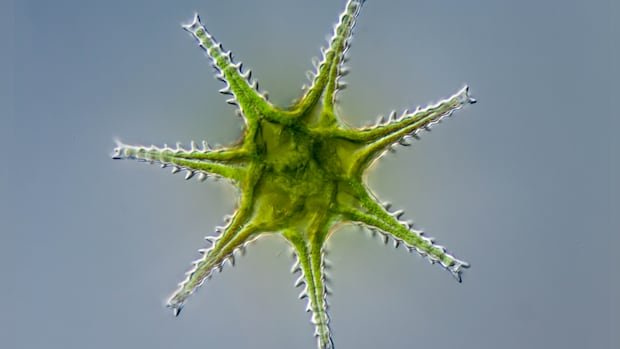
Photographs and observations accompany the concern, showing flourishing greenery and buzzing insect life in regenerated wetlands and regrown forests. Yet beneath the surface, field researchers report gaps in the recovery of microalgae and desmids—types of single-celled organisms that contribute to water quality and nutrient cycling.
One researcher documented examples in a restored wetland near his home, noting that many small species expected to thrive there were unexpectedly absent. The findings suggest that restoration projects, while beneficial for larger-scale habitat structure, may need adjustments to support the return of less conspicuous organisms.
Experts emphasize that biodiversity includes not only the familiar birds and trees but also the smaller, often overlooked species that underpin ecosystem function. The current evidence raises questions about how restoration timelines, microhabitat conditions, and water chemistry influence the reestablishment of these tiny life forms.
The story underscores a broader scientific message: restoring a habitat is not just about surface appearance. It involves cultivating the conditions necessary for a full spectrum of species, from the grand canopy to the smallest moss fragment and algal cell. As researchers push for more comprehensive restoration goals, they stress continuing monitoring to ensure that the tiniest residents recover in step with the visibly revived landscapes.