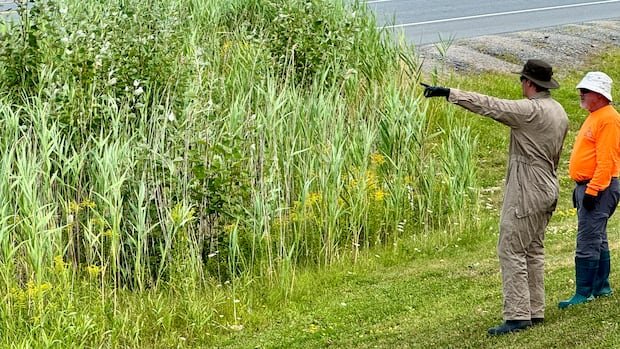
An invasive plant is advancing into northern Ontario, triggering workshops and coordinated efforts to identify and curb its spread before it takes firm root. A Sudbury-based environmental group hosted the recent session to educate residents on recognizing phragmites and preventing its proliferation.
The event, described in coverage of the situation, centers on phragmites as the species of concern. Community organizers aim to equip locals with practical identification skills and methods to stop the plant’s expansion in its tracks. The effort reflects a broader push to manage invasive vegetation before it becomes deeply established in northern regions.
Officials and participants are focused on practical measures, including how to map and monitor affected areas and the steps needed to control patches encountered outside urban centers. The workshop emphasizes early detection and collaborative action as key tools in slowing the spread.
Photos accompanying the report show volunteers and experts examining affected sites, with one image highlighting a patch of phragmites growing near outdoor spaces such as a sports store area. The visual elements underscore the hands-on nature of the response, illustrating the on-the-ground work being done by local teams.
While the story notes that the plant is spreading farther into northern Ontario, it does not detail specific locations beyond the Sudbury area or the exact controls to be employed. No figures on the size of affected areas or the timeline for containment are provided. What is clear is the community-driven approach: workshops designed to raise awareness, improve identification, and coordinate action against a plant that researchers describe as invasive.
The broader takeaway remains the same: residents are being mobilized to spot phragmites early and to participate in containment efforts, in a region where rapid identification could limit the plant’s foothold. The initiative reflects ongoing, localized responses to invasive species across northern Ontario.