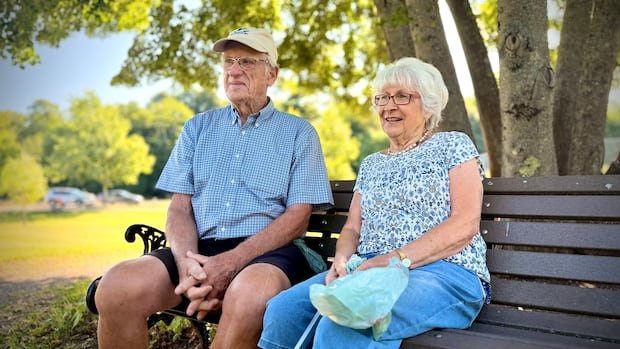
Two longtime Hampton residents are quietly turning daily walks into a sweeping environmental effort, collecting thousands of bags of litter along Northeast Saint John’s streets since 2005. John and Phyllis Holmes have racked up more than 9,000 bags over the years, turning routine errands into a persistent cleanup drive.
The effort is not just about tidying sidewalks; researchers say it has significance beyond the surface. By gathering refuse during jogs and strolls, the Holmeses contribute to a broader, community-driven approach to keeping public spaces cleaner and safer. The work underscores a growing interest in plogging, the activity of picking up litter while exercising, though the broader term isn’t the only takeaway emphasized by observers.
Hampton, a community northeast of Saint John, serves as the backdrop for this ongoing routine. The couple’s commitment, described as a daily habit, predates broader awareness of the practice—suggesting that dedicated local residents have been driving environmental benefits long before the term “plogging” gained traction.
The account of the Holmeses highlights a simple yet powerful pattern: consistent small actions can accumulate into measurable impact over time. While the exact daily pace or total distance covered isn’t specified, the cumulative tally of bags collected since 2005 illustrates a sustained and methodical effort. Researchers’ remarks frame the couple’s work as meaningful in ways that extend beyond counting bags, pointing to the broader cultural and environmental value of community-led cleanup activities.
This story situates a familiar image—the everyday walk—inside a larger environmental narrative. It emphasizes how individual routines can intersect with public health and ecological stewardship, prompting communities to consider how similar acts might be adopted elsewhere in New Brunswick and beyond. The Holmeses’ ongoing practice remains a tangible example of how ordinary citizens contribute to cleaner streets and greener neighborhoods.