A new wave of research suggests that freighters built to withstand thick ice could safely traverse Hudson Bay beyond the current four-month Port of Churchill window, though researchers caution that ice will persist in the bay and continue to present challenges in the decades ahead.
The studies evaluate the viability of ice-hardened cargo vessels navigating the Hudson Bay environment outside the established shipping period. Findings indicate that, with enhanced ice resistance, freighters may be able to operate during times previously deemed too risky due to ice conditions. The potential expansion could alter the timing of shipments and demand on port infrastructure.
Despite the optimistic projections, the research also highlights enduring ice presence in the bay. Officials note that the ice will not vanish and will remain a factor for planning, implying continued operational complexity and weather-driven variability for future seasons.
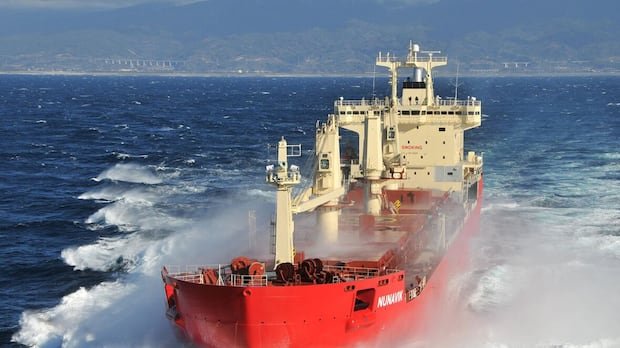
Fednav, highlighted by imagery of its latest Arctic icebreaker in transit, represents the type of modern fleet that could be deployed if the studies translate into policy and market-ready vessels. The research characters the topic as a balance between expanded access and the practical realities of ice management over time.
While the new findings suggest longer shipping windows may be feasible, authorities emphasize that decisions will hinge on continued analysis, practical testing, and considerations of safety and cost. The study series does not promise an immediate expansion but points to a potential shift in how Hudson Bay logistics might be managed in coming years.