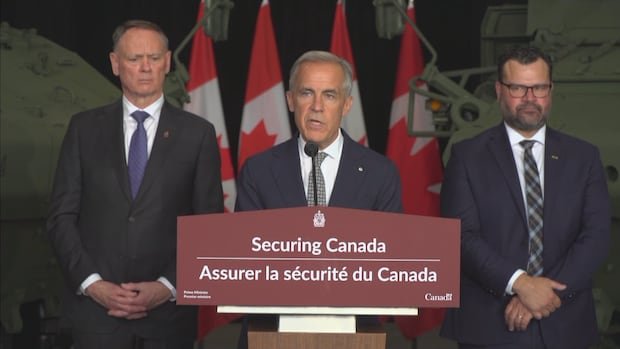
Carney explained that while net revenues will be shared with the U.S. for a 15-year period, the split will not apply until the full Canadian investment is recovered. The arrangement aims to ensure Canada recoups its upfront funding before any revenue-sharing terms take effect, according to the briefing in London, Ontario.
Officials have emphasized that the loan and investment framework supports the construction and ongoing operation of the bridge, a project viewed as critical for trade and cross-border travel between the two countries. The tolling model, as described by government representatives, balances the need to service debt with the long-term goal of enabling a predictable revenue stream once the initial investment is recouped.
The Gordie Howe Bridge project, named after hockey legend Gordie Howe, is intended to provide a direct link between Windsor and Detroit, potentially easing congestion at existing border crossings. It is financed through a combination of Canadian public funds and private sector involvement, with tolling acting as a key mechanism for repayment and eventual profitability.
Carney’s remarks address ongoing questions about the distribution of toll revenues and the sequencing of financial benefits between Canada and the United States. The government stakes that the 15-year net revenue sharing provision remains in place, but only after Canada recovers its investment, ensuring debt repayment takes precedence in the early years of operation. No additional details were released about the specific toll amounts or annual revenue projections at the briefing.