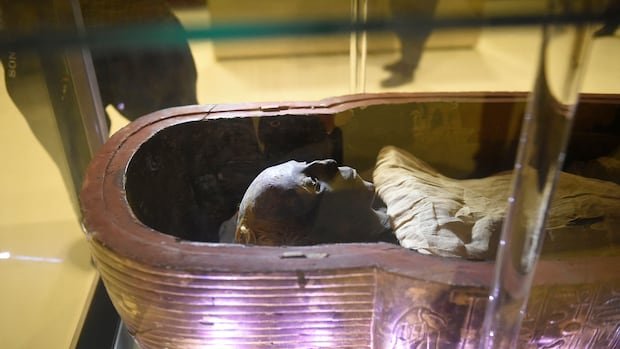
A global online market for preserved human remains has drawn attention from scientists who say the practice could pose health risks. The findings come from new research that examines how mummified bodies are bought and sold across the internet, highlighting the potential dangers to buyers and the broader public.
Researchers describe a bustling online ecosystem where preserved human remains change hands through various platforms and channels. The study notes that buyers include researchers, museums, and private individuals, illustrating a broad interest in these specimens. However, the exact scope and scale of the trade remain unclear, as do the safeguards in place to protect sellers, buyers, and the public from health hazards.
Experts emphasize that handling mummified remains can present health risks if proper precautions are not taken. Specific details on the nature of hazards, such as potential exposure to biological materials, are cited, though the report stops short of detailing particular pathogens or exposure incidents. The researchers call for heightened awareness and stricter oversight to mitigate potential risks associated with acquisition, transport, and storage.
The report underscores the lack of consistent regulatory frameworks governing the sale of preserved human remains online. It suggests that gaps in policy could allow hazardous materials to circulate more freely than is prudent. While it does not name companies or platforms, the study advocates for clearer guidelines and safer handling practices across the trade.
In response, experts stress the importance of public health considerations as the online market evolves. They urge buyers to verify provenance and ensure that appropriate safety measures accompany any acquisition. The findings aim to inform policymakers, researchers, and collectors about potential health implications and the need for responsible stewardship of human remains.