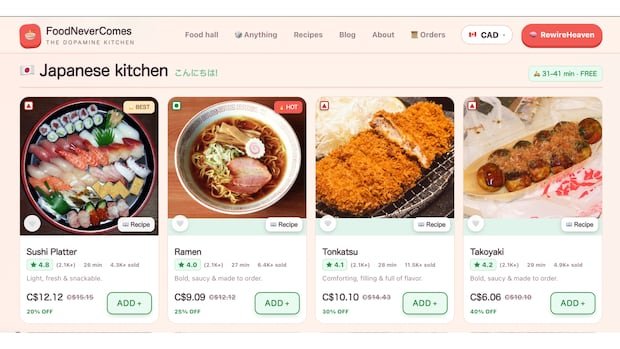
A growing worldwide trend sees mock shopping sites inviting users to browse, fill a cart, and checkout—yet never spend a dime. The devices behind the movement aim to recreate the dopamine rush of shopping while avoiding actual purchases, and supporters argue the approach could curb compulsive spending and highlight the hidden environmental costs of overconsumption.
The concept centers on digital storefronts that mimic real e-commerce experiences. Users interact with product listings, compare prices, and simulate the checkout process, all without placing real orders or exchanging money. The experience provides the satisfaction of discovery and planning, but strips away financial risk and transactional commitment.
Advocates suggest several potential benefits. By offering a no-cost sandbox for decision-making, mock shopping sites can help people examine their impulsive urges in a controlled setting. The format also foregrounds the environmental footprint of consumer choices by exposing the energy and resource use tied to ongoing browsing and cart-building, even when no purchase is made.
Experts note that the trend is spreading to diverse audiences and geographies, with platforms experimenting to keep the experience engaging while clearly signaling its non-purchasing nature. Critics, meanwhile, emphasize the risk that repeated, immersive simulations could normalize constant browsing or desensitize users to the costs associated with real-world shopping.
As mock shopping gains traction, observers say the appeal lies in its interplay of thrill and restraint: the pleasure of exploration without the obligation of payment. The evolving landscape invites audiences to rethink spending habits and to consider the true environmental implications of the consumerist cycle—and to reflect on how digital experiences shape everyday behavior. The movement remains under study as users, platforms, and researchers continue to track its impact on choice, satisfaction, and sustainability.