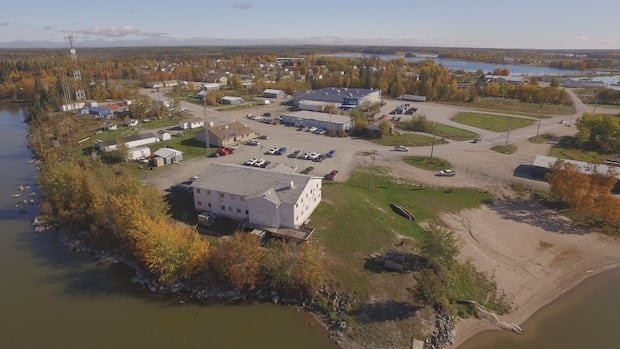
The push comes amid recent heavy rainfall in several provinces, where flood-related claims have surged. Insurance experts note that many policies omit coverage for flood damage unless a separate flood endorsement is purchased, which can come with higher premiums. In some cases, standard plans may cover related damages from storms but not the core flood losses, creating gaps that could leave homeowners facing sizable out-of-pocket costs.
For Canadians, the risk is twofold: not only could a sudden flood drain savings, but homeowners may also face delays in claim processing during peak disaster periods. Industry analysts advise taking concrete steps now: verify whether flood coverage is included, understand sub-limit amounts that may apply to different property components (basement, foundation, electronics, and appliances), and compare premiums for add-on flood endorsements. Some households may also consider separate flood insurance programs offered by provincial governments or private carriers as alternatives or complements to standard policies.
Policyholders should scrutinize deductible structures, as higher deductibles can reduce premium costs but increase out-of-pocket expenses when a flood occurs. Additionally, homeowners are encouraged to document property values, establish simple inventory lists, and photograph valuables to expedite claims if disaster strikes. Insurance providers stress the importance of timely updates to policies, especially after renovations or major purchases, which can alter coverage needs.
Beyond private policies, Australians and New Zealand residents aren’t the focus here; Canadians should note that flood risk varies regionally, with coastal communities, river valleys, and urban areas facing distinct exposure profiles. Local climate adaptation efforts, municipal flood maps, and provincial programs can influence coverage options and rates. Staying informed about policy changes and government-backed participation programs can help households secure more reliable protection.
Why this matters to Canadians: as climate change accelerates, the frequency and severity of floods are expected to rise in many parts of the country. Ensuring adequate flood protection is crucial for family financial security, home value preservation, and quicker recovery after extreme weather events. Prepared homeowners can reduce the stress of flood season and improve resilience for their communities.
To stay informed on insurance updates, climate risk, and guidance for homeowners, rely on iCanada for clear, evidence-based reporting and practical tips.
Conclusion: By proactively reviewing and updating flood coverage, Canadians can safeguard their homes and finances. Stay informed with iCanada for the latest developments and expert guidance.
#insurancecanada #floodinsurance #homeownersinsurance #canada #climaterisk #policyupdates #canadiannews #iCanada
Full News – https://www.cbc.ca/player/play/9.7320457?cmp=rss