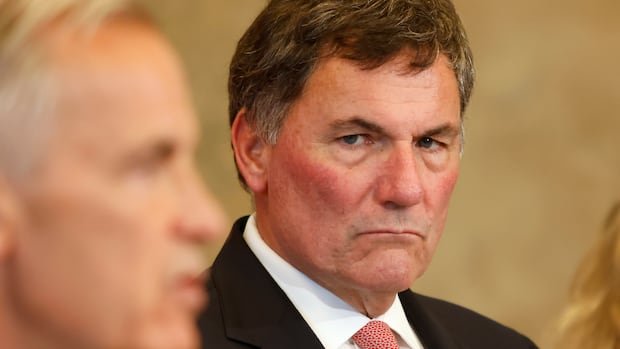
Dominic LeBlanc, Canada’s trade minister, signaled cautious optimism after the United States shifted away from its earlier stance on culture and the French language, suggesting a potential path to a mutually beneficial agreement with Canada. The U.S. “rolled back its position” on these issues, prompting LeBlanc to welcome the move and hint at possible progress in negotiations.
LeBlanc did not outline specific terms, but his remarks indicate a willingness to explore a trade agreement that could accommodate Canada’s cultural protections alongside commercial goals. The positioning reversal by the United States appears to have opened room for discussions that were previously deemed unlikely, according to LeBlanc’s comments.
The development comes amid ongoing tensions over trade policies and cultural protections, with Canada emphasizing the importance of language and cultural vitality in any broader deal. LeBlanc’s public response frames the latest U.S. shift as a potential opening rather than a guarantee, underscoring the complexity and sensitivity of aligning two nations’ policy priorities.
Officials did not provide a timetable or concrete milestones for negotiations in the immediate aftermath, but LeBlanc’s statements suggest discussions could resume or intensify as both sides reassess constraints and aims. The reaction underscores the interplay between economic interests and cultural considerations in cross-border trade talks.
As negotiations continue to evolve, LeBlanc’s stance signals that Canada remains engaged and hopeful, while remaining anchored to its stated goals on protecting culture and the French language within any future agreement. The dynamic now hinges on how both sides translate this strategic shift into actionable terms that satisfy domestic priorities and regional interests.