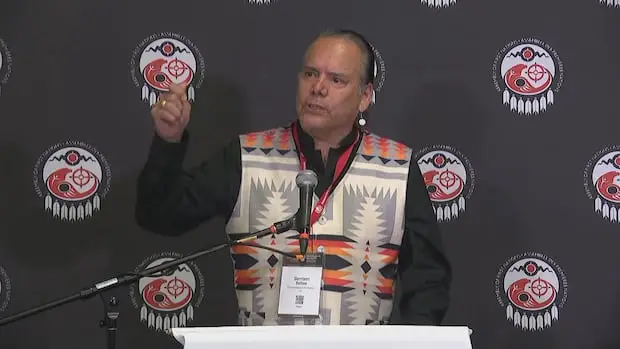
The motion argues that denying or minimizing the harms and impacts of the federal government’s residential school policy constitutes a form of harm that warrants criminal penalties. AFN officials say the push seeks to protect survivors, educate the public, and uphold the historical record of Indigenous shouldering intergenerational trauma resulting from the residential school system.
AFN leadership emphasized that the resolution is part of broader efforts to address ongoing issues linked to colonialism and to ensure accountability for those who propagate inaccurate or defamatory statements about residential schools. The proposed criminalization would target actions that amount to deliberate denial of well-documented abuses and their legacy, according to the AFN.
The assembly coincides with increased public attention on the history of residential schools and the enduring consequences for Indigenous communities. Advocates say that recognizing and confronting past abuses is essential to reconciliation, while opponents of criminalization have raised concerns about potential limits on free expression.
The emergency resolution does not automatically change federal law. If the AFN’s call translates into a policy proposal, it would require careful consideration and potential legislative action by Ottawa. The federal government has previously acknowledged the harms caused by residential schools and has implemented measures aimed at reconciliation, redress, and education about this chapter of Canadian history.
AFN leaders stressed that the purpose of the resolution is to set a clear standard for public discourse and to deter deliberate misinformation about residential schools. They indicated that the organization would continue to push for accountability and greater awareness of Indigenous experiences related to the school era, as part of its ongoing agenda at the national assembly.