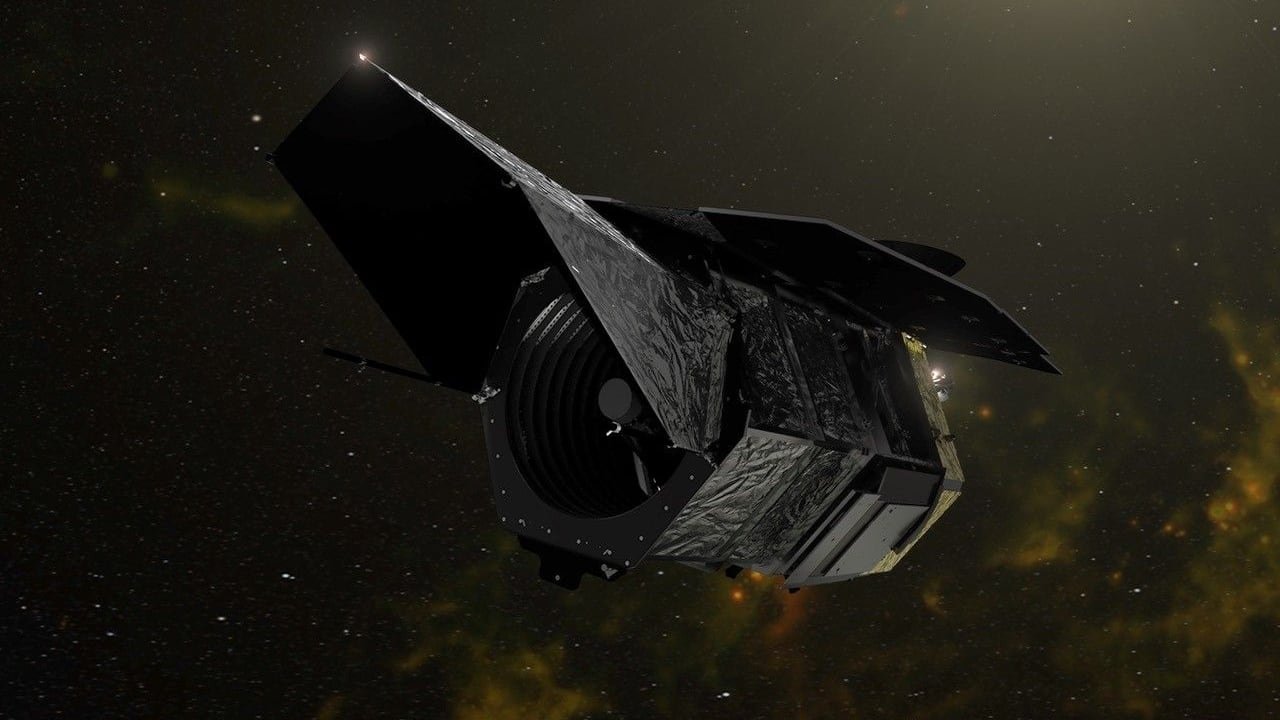
A high-profile launch is scheduled for Sunday at 7:26 a.m. from Cape Canaveral, Florida, with a Falcon Heavy rocket carrying the Nancy Grace Roman Space Telescope. The mission aims to open new frontiers in our understanding of the universe, detailing the telescope’s anticipated discoveries.
The Roman Space Telescope, named after a pioneering astronomer, is poised to orbit and operate in space, enabling scientists to probe cosmic mysteries with its advanced instruments. The launch marks a significant milestone for space exploration and astrophysical research, as researchers anticipate fresh observations that could shed light on the universe’s structure and history.
Officials describe the mission as a major step forward in telescope capability, promising enhanced imaging and data collection. The launch aligns with ongoing efforts to expand our observational reach and to refine measurements used to study astronomical phenomena, including the behavior of dark energy and the distribution of matter in the cosmos.
As the spacecraft ascends, ground teams will monitor a range of critical systems to ensure a successful deployment and operation in space. The event is framed as a pivotal moment for science outreach as well, with broad public interest in what the Roman Space Telescope may reveal about the universe beyond our solar system.
The countdown and launch window are tightly coordinated with weather and technical readiness, with mission control prepared to respond to any contingencies. If all goes as planned, the telescope will enter its operational phase, beginning a new chapter in space-based astronomy and the pursuit of answers about how galaxies form, evolve, and interact across cosmic time.