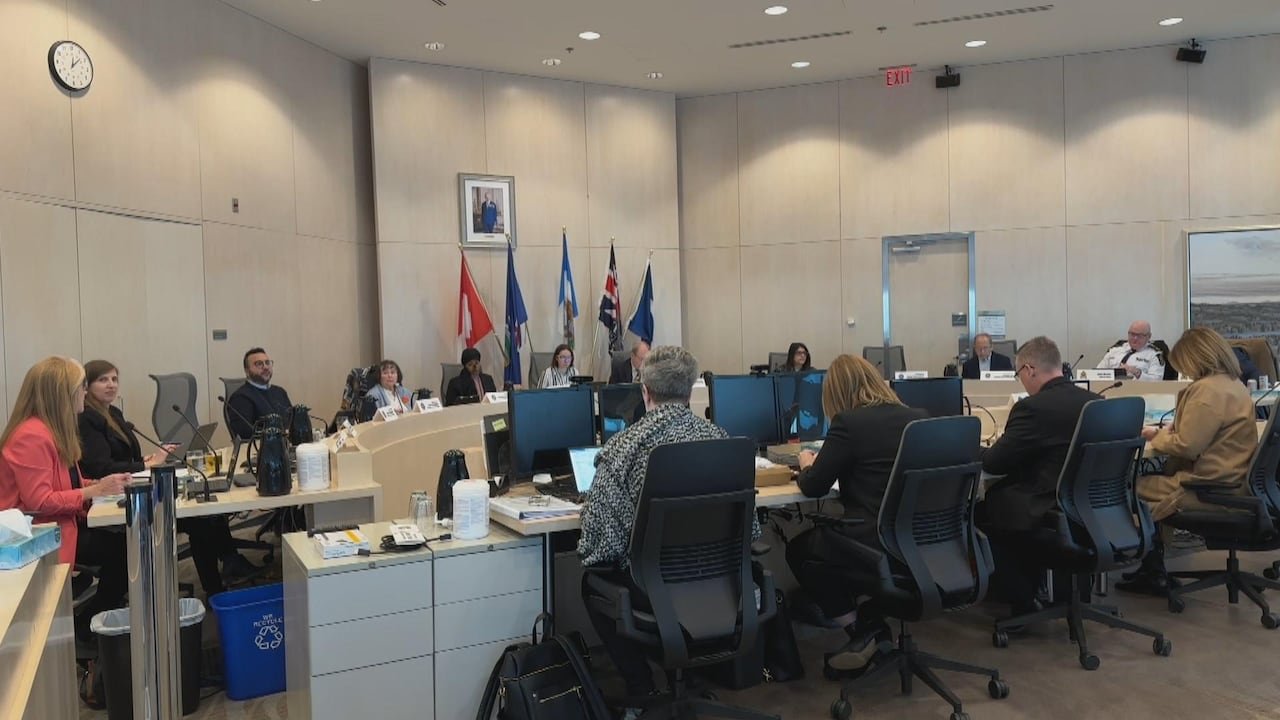
Officials say the multi-year strategy focuses on three pillars: improved bus rapid transit routes, safer cycling corridors, and enhanced pedestrian access. In addition to new routes and dedicated lanes, the plan includes modernized transit hubs, shorter wait times, and increased service frequency during peak hours. The city emphasizes that these changes will provide practical alternatives to driving, especially for daily commuters and students.
The announcement comes as researchers warn that urban congestion and pollution costs are mounting for Canadians. City leaders argue that a well-connected transit network and bike-friendly streets can reduce traffic bottlenecks, lower household transportation costs, and support healthier, more active lifestyles. The plan also prioritizes accessibility, aiming to ensure transit and infrastructure improvements serve people with mobility needs and those in underserved neighborhoods.
Funding details remain a key question, with officials indicating a mix of municipal budgets, provincial support, and federal grants will cover capital investments and ongoing maintenance. The exact timeline and rollout plan will be published in the coming months, with pilot projects expected to begin in the next year. Residents are encouraged to participate in upcoming public consultations to share feedback and priorities.
Why this matters to Canadians: as cities grow, reducing car dependence helps cut emissions and improves quality of life. A more efficient transit system can ease commutes, save families money, and create safer streets for pedestrians and cyclists. The initiative aligns with national goals to modernize infrastructure and meet climate targets while supporting local economies.
Context is important: the city has recently faced transit reliability issues and complaints about crowded buses and limited bike lanes. By coordinating investments across transit, cycling, and pedestrian networks, officials hope to create a more cohesive transportation ecosystem. If successful, the plan could serve as a model for other Canadian municipalities seeking practical, sustainable mobility solutions.
Canadians can follow iCanada for updates on how the plan evolves, what residents think during consultations, and when specific projects break ground. Staying informed helps communities understand how infrastructure decisions affect daily life, costs, and the environment.
In summary, the city is pursuing a comprehensive transit and active-transport upgrade to ease congestion, cut emissions, and provide better mobility options for residents. The plan’s success will hinge on funding, effective implementation, and broad public engagement.
Stay informed with iCanada for ongoing coverage and developments on Canada’s transportation future.
#iCanada #transportation #publictransit #cyclingahead #urbanplanning #sustainablecities #canada #infrastructure #publicconsultation #emissionsreduction
Full News – https://www.cbc.ca/news/canada/edmonton/edmonton-police-commissioners-public-speakers-9.7330477?cmp=rss