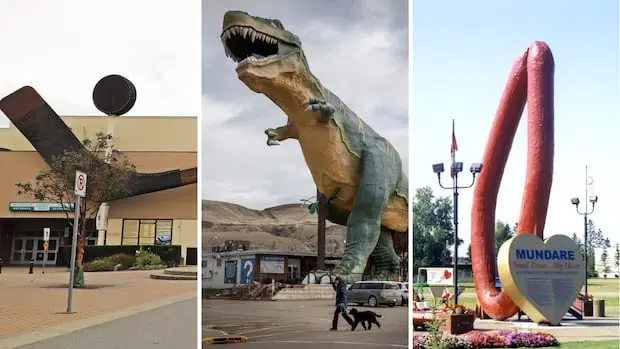
A nationwide look at Canada’s roadside attractions reveals a mix of affection and financial scrutiny as communities weigh the value of their oversized landmarks. Iconic figures—from Drumheller’s towering dinosaur to the giant nickel in Sudbury—have long drawn travelers and helped put small towns on the map. Yet escalating maintenance expenses and shifting tourism patterns are prompting some municipalities to reconsider their futures.
The features, often created to spur local pride and attract visitors, include oversized sausages, hockey sticks, and other emblematic forms that dot highways and byways. While these monuments have historically served as memorable landmarks, critics argue they represent costly relics in an era of tighter municipal budgets and changing travel habits.
Tourism officials and local leaders point to the potential economic benefits of these attractions, noting that they can help sustain nearby businesses and provide photo opportunities that fuel word-of-mouth promotion. supporters argue that even modest foot traffic tied to these sites can translate into longer visits to nearby restaurants, hotels, and retail shops, supporting rural economies.
But the picture is not uniform. Some communities report rising costs in maintenance, safety upgrades, and weather-related wear that strain budgets. In certain cases, municipalities have considered partnerships with private groups or phased remediation to balance preservation with practical finances.
Experts say decisions about keeping, upgrading, or retiring such monuments are increasingly tied to broader tourism strategies. Planners are evaluating how each site fits into long-term goals, from regional branding to accessibility and safety, while also weighing public sentiment about cultural heritage and local identity.
As Canada’s travel landscape evolves—driven by domestic tourism, evolving interests, and economic pressures—the future of its roadside landmarks remains a topic of debate. For now, towns with beloved giants continue to monitor costs, engage residents, and explore options that could keep the iconic silhouettes along Canada’s highways for years to come.