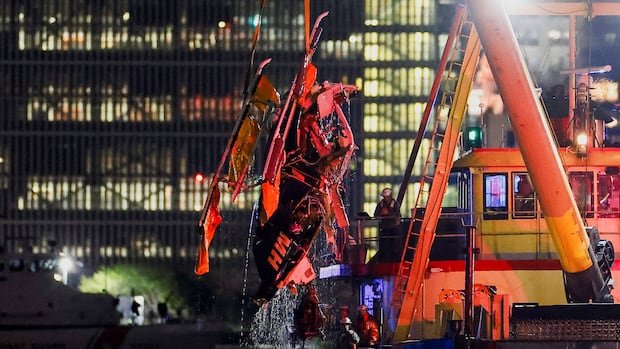
Investigators reported finding remains of several geese on the wreckage, indicating a collision with wildlife during the sightseeing flight. The helicopter went down in the river, prompting a large-scale emergency response that included divers and recovery crews working through the initial hours after the crash.
Officials said the bird strike is the primary finding at this stage of the inquiry, though it remains part of an ongoing assessment of contributing factors, including weather conditions and aircraft maintenance records. The investigation is being conducted by federal and local authorities, with input from the helicopter operator and the manufacturer as needed to determine exact sequence of events and to assess safety measures.
The victims’ families have been informed, and authorities emphasized that the investigation is still open. A preliminary review had previously noted the severity of the impact and the challenges of recovering remains from the water, which required coordinated rescue and investigation efforts over several days.
The accident drew attention to urban air traffic safety and the risks posed by birds to low-altitude rotorcraft operating over busy metropolitan waterways. Officials reaffirmed that their current conclusion points to a wildlife strike as the primary factor in the crash, while continuing to review operational protocols and regulatory compliance for sightseeing helicopter services.
No arrests or charges have been announced in connection with the crash, and there was no immediate indication of mechanical failure being a contributing cause. Regulators are expected to release further updates as the full findings are compiled, including safety recommendations aimed at preventing similar incidents in the future.