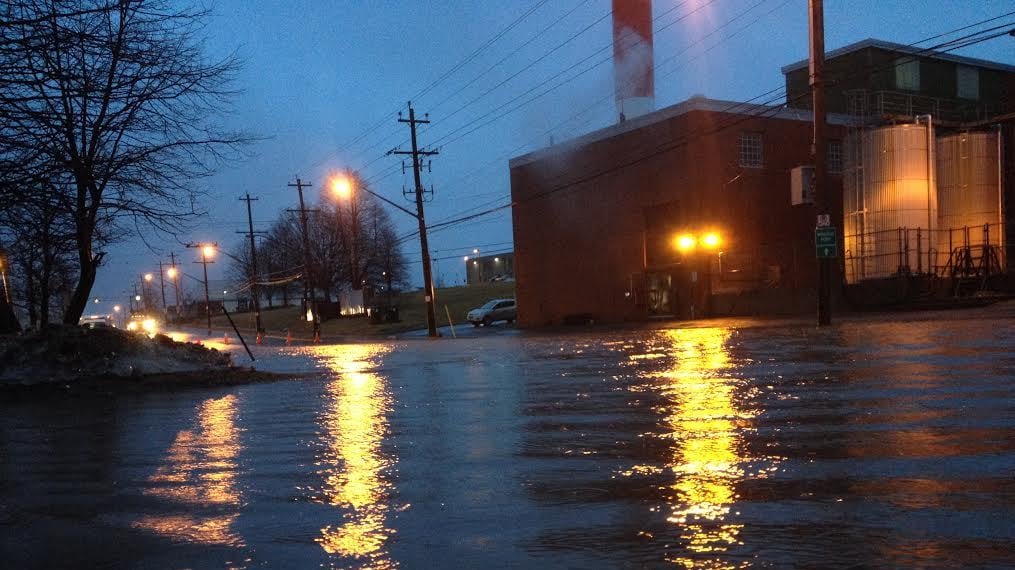
Torrential downpours have slammed Cape Breton, dumping as much as 200 millimetres of rain and triggering washouts and flood risks in Richmond County and Eskasoni. The deluge comes as eastern and central Nova Scotia contend with ongoing rain and gusty winds, while western regions are expected to enjoy milder temperatures and occasional sun breaks over the long weekend.
The weather on the ground has produced immediate infrastructure challenges, with washouts reported in the affected communities. Residents are facing rising flood concerns as the rainfall continues to fall in intense bursts, compounding road hazards and potential disruptions.
Meteorological conditions suggest a complicated forecast for the region. While Cape Breton bears the brunt of the heavy rain, other parts of Nova Scotia face continued precipitation and windy conditions. The outlook notes residual rain in central and eastern areas, paired with gusts, complicating travel and safety during the holiday period.
Officials have cautioned residents to stay alert for shifting conditions, particularly in areas already experiencing flooding or road washouts. The long weekend typically brings outdoor activity, but current forecasts emphasize caution for anyone in affected zones.
The report underscores a stark contrast within the province: Cape Breton endures the most intense rainfall, while western Nova Scotia offers brief periods of sun amid milder temperatures. As weather systems persist, authorities say preparedness and vigilance remain essential for communities navigating flooded roads and potential washouts.
No additional details on federal or provincial emergency responses were provided in the report, but the situation remains fluid as rainfall continues to fall across portions of Nova Scotia. Residents are advised to monitor local updates for the latest advisories and to take appropriate safety measures in affected areas.