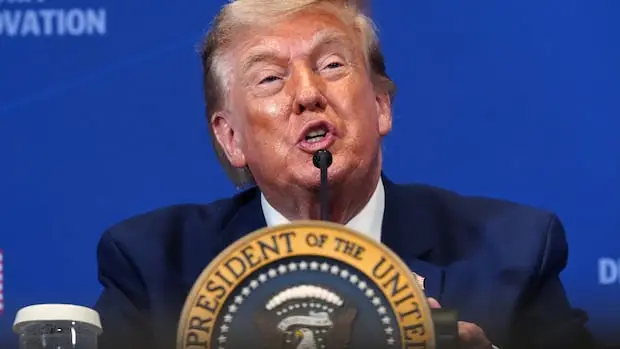
Early reporting suggests the address will revisit longstanding claims raised by Trump about election losses and alleged irregularities, a thread that has persisted through his post-2020 public appearances. Observers note that such assertions have been a hallmark of his political style and messaging, even as they have faced widespread rebuttals and critical scrutiny from fact-checkers and independent election officials.
Officials familiar with the plan described the address as a broader political message intended to energize Trump’s base as he continues to position himself as a leading figure within the Republican realm. The speech comes amid ongoing political conversations about election security, reforms, and the role of voting technology in U.S. democracy.
Republicans and critics alike are watching for any concrete policy proposals or new evidence, though advance summaries suggest a focus on public trust in electoral processes and the perceived need for reforms. The administration has not released a detailed outline of policy changes tied to the address, but the president’s remarks are expected to underscore his views on how elections are conducted and monitored.
The timing of the address places it ahead of upcoming political milestones and could influence party dynamics in the run-up to potential 2026 campaigns and discussions about election administration. Analysts say the Primetime speech will likely reignite debates over the legitimacy of past results and the standards for voting technology, even as many officials continue to defend the integrity of the U.S. electoral system.
There was no immediate comment from the White House on the specifics of the talking points beyond the announced topics, but aides indicated that the president intends to challenge audiences to consider what he depicts as flaws in the current system and to consider reforms he supports.