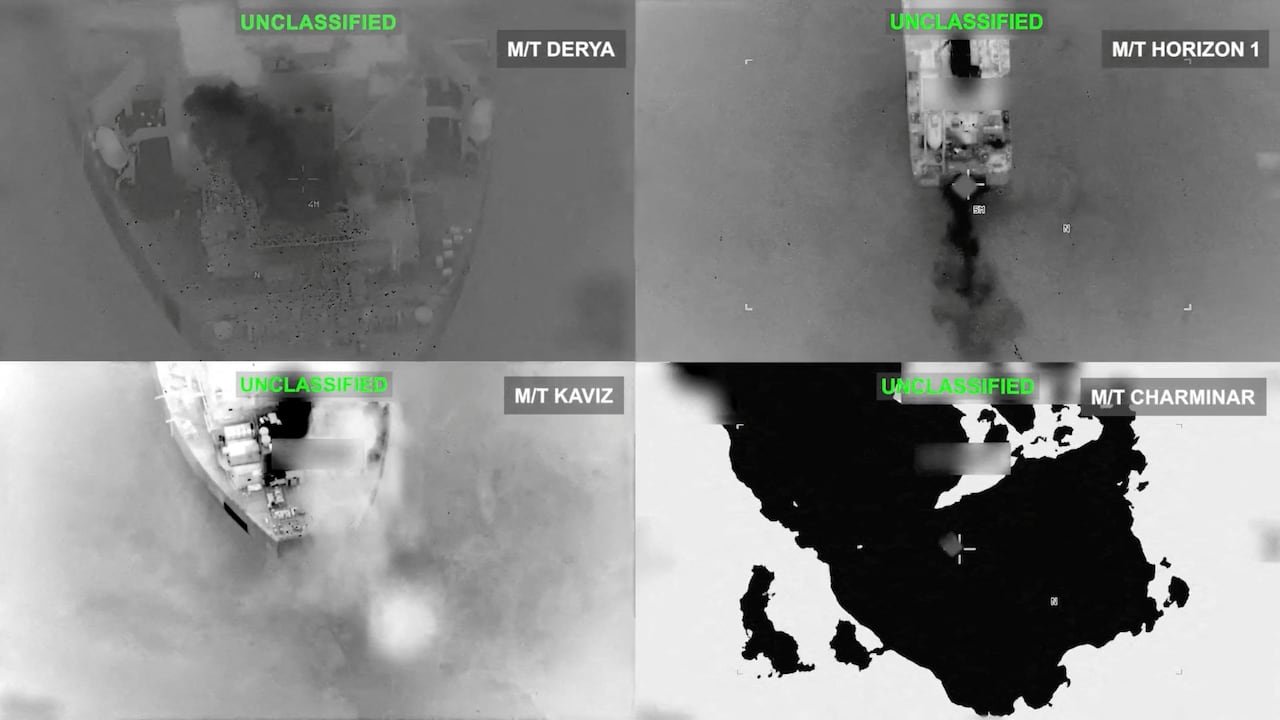
The United States military announced it destroyed five Iranian oil tankers on Tuesday, escalating a confrontation sparked by recent attacks on American warships. The strikes follow Tehran’s claim that it struck American targets in Jordan in response to U.S. actions, marking a renewed round of exchanges after more than six months of hostilities.
According to the U.S. Central Command, the five tankers were targeted as part of broader efforts to counter Iranian actions against U.S. forces. The Pentagon did not specify the exact location of the operations or provide additional operational details beyond confirming the destruction of the vessels.
Iranian authorities had asserted that they attacked American targets in Jordan in retaliation for U.S. strikes, aligning with a pattern of tit-for-tat actions reported in recent days. The latest actions come amid a prolonged conflict dynamic in which both sides have conducted strikes and counterstrikes against maritime and military targets in the region.
The U.S. statement frames the Tuesday strikes as part of a continuing campaign to deter Iranian aggression against U.S. personnel and assets. Officials emphasized that the actions were designed to respond to targeted attacks on U.S. ships, though further specifics about the nature of those attacks were not disclosed in the release.
There was no immediate independent verification of either side’s claims in this report. The situation remains tense as both Washington and Tehran navigate a complex, high-stakes exchange that has persisted for months, with maritime and regional targets repeatedly cited in the rhetoric and a sequence of retaliatory moves.
Officials did not announce additional consequences for Iran or the broader region beyond the described destruction of the five tankers. The continuing crossfires illustrate the volatility of the conflict and the persistent risk to maritime traffic and regional security as both sides press their respective positions.