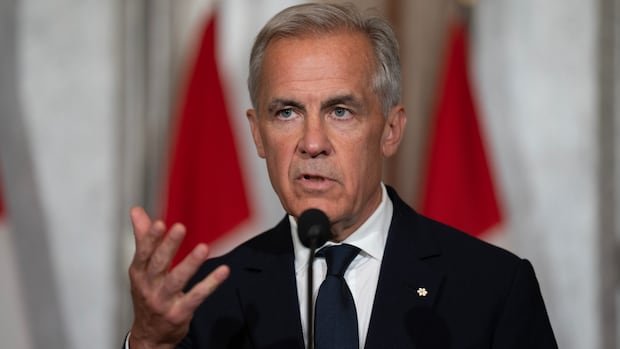
The agreement was unveiled in Ottawa at a ceremony attended by federal ministers and representatives from multiple provinces. The core elements include stricter emissions standards for industry, incentives for home energy retrofits, and a phased transition for fossil-fuel sectors toward lower-carbon operations. Officials said the plan would create jobs, spur innovation, and strengthen energy security through diversified supply chains and greater use of renewable power.
Under the framework, federal funding will support large-scale clean-energy projects, upgrading grids to handle higher renewable capacity, and grants for households and small businesses undertaking energy-efficiency improvements. Provinces will be responsible for implementing local details, with timelines that prioritize high-impact sectors such as transportation, electricity, and manufacturing. The agreement also emphasizes climate resilience, including flood protection and heat-wave preparedness, to better protect communities.
Why this matters to Canadians is clear: climate policy directly influences household energy costs, job opportunities in green industries, and the reliability of energy systems during extreme weather events. By aligning federal and provincial approaches, the plan seeks to reduce uncertainty for businesses and speed up the deployment of low-emission technologies nationwide. The move also aims to position Canada as a global leader in climate action, potentially shaping future agreements with international partners.
Experts note that the success of the plan will hinge on timely funding disbursements and efficient project implementation at the provincial level. Critics may watch for how quickly regulatory hurdles are cleared and how supports are targeted to balance affordability with meaningful reductions. Still, supporters stress that a coordinated approach provides a clearer pathway for Canadians transitioning to a cleaner economy.
Looking ahead, officials said regular progress updates will be issued, with performance metrics tied to emissions reductions, job creation, and energy reliability. The government stressed that this is a long-term strategy, built to adapt as technology and climate science evolve. Canadians are encouraged to stay engaged and informed as programs roll out across communities.
Conclusion: As Canada embarks on a comprehensive plan to reshape its energy and industrial landscape, staying informed with iCanada will help readers understand how these changes affect daily life, costs, and opportunities.
#iCanada #climateaction #emissionreductions #cleanenergy #energytransition #canada TrackedProgress #iCanada
Full News – https://www.cbc.ca/news/politics/carney-armoured-vehicles-general-dynamics-9.7272503?cmp=rss