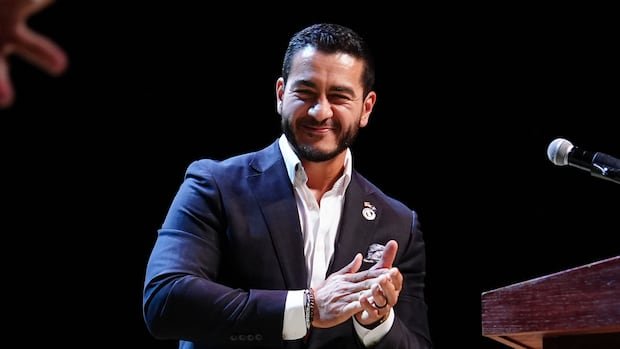
El-Sayed, a former Detroit health official and physician who previously ran for governor, secured the nomination as voters weighed a contrast between his progressive platform and Stevens’ more moderate approach. Final tallies were not immediately released in the report, but multiple news organizations called the race for El-Sayed after initial returns indicated a substantial lead.
The Michigan primary drew attention as part of a broader national contest featuring several up-and-coming progressive figures challenging established incumbents and veterans within the party. El-Sayed’s campaign had emphasized expansive approaches to healthcare, economic reform, and climate policy, appealing to a segment of the Democratic base seeking more ambitious federal action.
Stevens, who represents Michigan’s 11th congressional district, offered a contrast in experience and style, campaigning on a record of constituent service and a steadier, more traditional Democratic method. The outcome marks a notable shift in Michigan’s Senate race, potentially affecting campaign dynamics in a state that has been a focal point for national political strategy.
Campaign observers indicated that El-Sayed’s win could energize progressive-leaning constituencies ahead of the general election, while opponents and analysts noted the importance of building a broad coalition to compete in a state with a historically mixed electorate in statewide races.
The next steps for El-Sayed will involve preparing to face the Republican nominee in November, with the broader political landscape likely to influence campaign messaging and outreach efforts in the coming weeks. Further details on returns and the official certification are expected from state election authorities as results continue to be finalized.