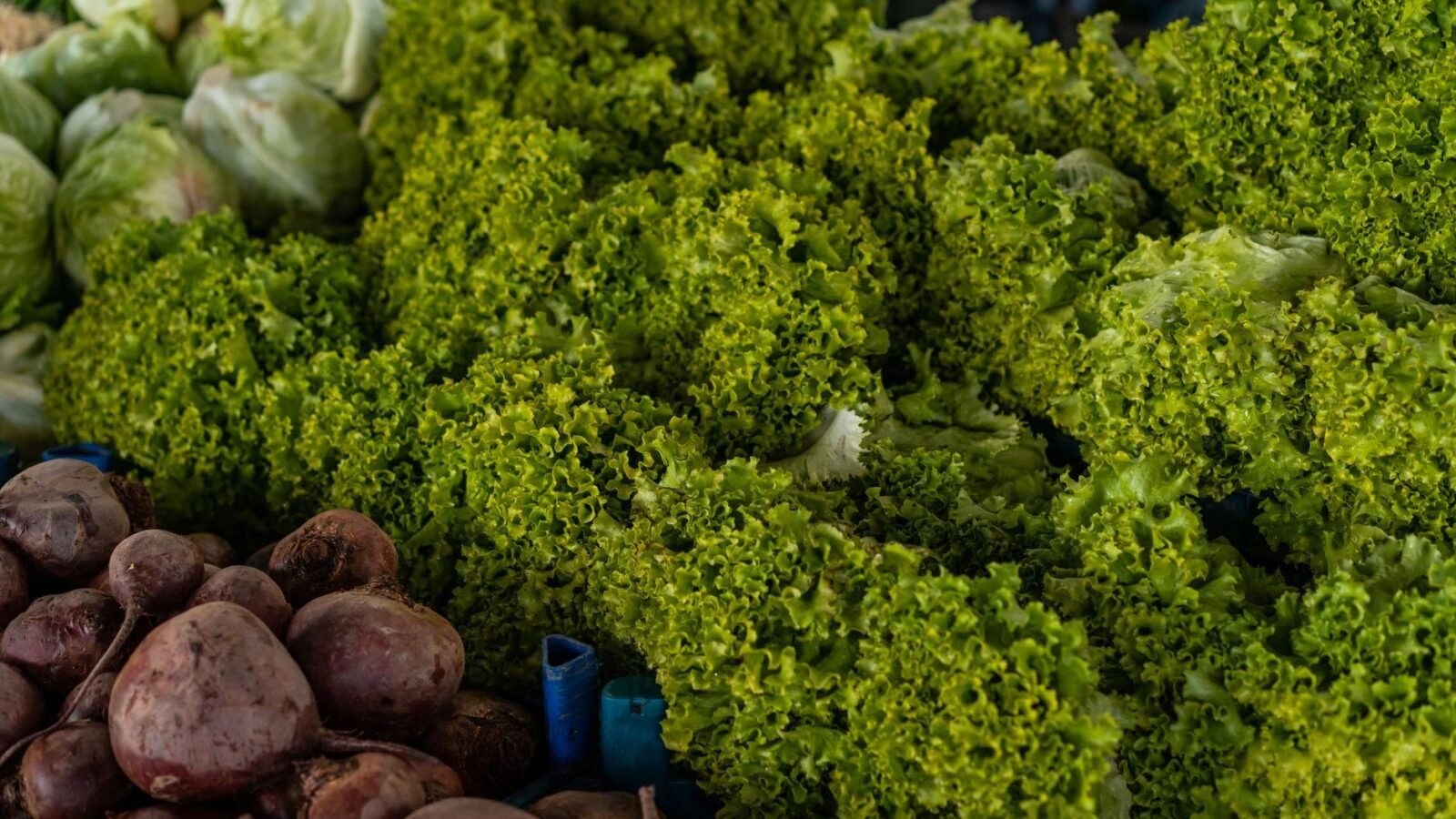

Public health authorities are coordinating to trace the outbreak’s origins, focusing on fresh produce that may be consumed raw. Preliminary investigations have highlighted leafy greens, particularly lettuce, as a possible vehicle for the parasite, though no single contaminated lot has been confirmed nationally. Cyclospora is not spread directly from person to person but typically results from consuming food or water contaminated with the parasite’s oocysts.
In the United States, health departments have reported an uptick in reported illnesses, hospitalizations, and outbreaks linked to Cyclospora in the current season. Officials emphasize that the illness has an incubation period of about one week or longer, which can complicate early detection and containment efforts. Patients often experience prolonged diarrhea, stomach cramps, nausea, and fatigue, with some cases requiring medical care.
Michigan’s involvement centers on analysis at the state level as investigators review distribution chains and supplier records associated with recent Cyclospora cases. Local health authorities are collaborating with federal agencies to gather data on recent produce imports and distribution routes that may connect to illnesses in multiple states. Any link to a specific farm or shipment would be a critical development, enabling targeted recalls and public advisories.
Experts note that Cyclospora outbreaks can be challenging to control due to the parasite’s resilience in environmental conditions and the complexity of fresh produce supply chains. The parasite’s oocysts can survive on produce for extended periods if proper washing and handling steps are not followed, though thorough cooking eliminates the risk. Since lettuce and other leafy greens are commonly eaten raw, they present a higher risk for transmission when contaminated.
Public health messaging continues to stress hygiene and proper food handling. Consumers are advised to wash hands thoroughly, rinse produce under running water, and maintain clean kitchen surfaces to reduce the likelihood of accidental ingestion of the parasite. Health officials also remind the public that cyclosporiasis symptoms can mimic other gastrointestinal illnesses, making timely medical consultation important for those experiencing persistent diarrhea after travel or exposure to potential contaminated produce.
The ongoing investigation includes reviewing supplier recall data, monitoring illness patterns by region, and communicating with food distributors about sourcing practices. While officials refrain from naming specific farms or brands at this stage, they say that information gathered from multiple states will help determine whether a common source exists and what mitigations are necessary to prevent further cases.
Health departments advise clinicians to consider Cyclospora as a potential diagnosis for patients presenting with prolonged diarrhea and related symptoms, particularly if there is a recent history of fresh produce consumption. Laboratory confirmation typically involves stool testing to detect Cyclospora oocysts, followed by appropriate antiprotozoal treatment when diagnosed.
As the investigation unfolds, Michigan officials and their federal partners remain focused on identifying any link to lettuce or other produce and implementing measures to curb transmission. The situation underscores the challenges of tracing fresh produce through complex supply chains and the importance of rapid, coordinated public health responses to prevent further illness. Further updates are expected as more data become available.