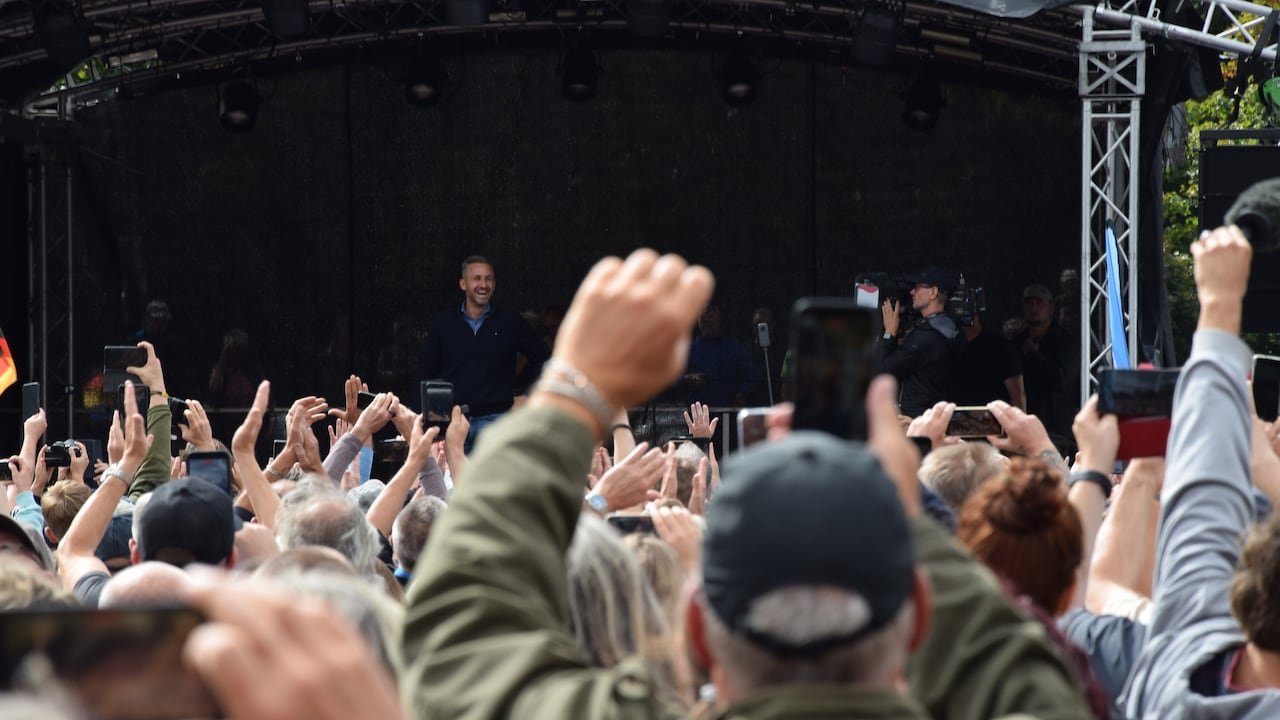
Researchers say supporters of Germany’s far-right parties are increasingly showing their alignment in public, not by displaying explicit political symbols, but through subtler signals embedded in clothing and other visual choices. The pattern appears as the far right gains political ground, with observers noting a shift toward more overt, though often nonverbal, demonstrations of affiliation.
The analysis comes as attention centers on public gatherings where far-right groups attract larger crowds. In some cases, attendees are described as wearing styles, colors, or other elements that serve as discreet identifiers, allowing supporters to signal solidarity without overt political branding. Experts caution that these coded signals can be difficult to detect for casual observers while still conveying a sense of belonging to a particular political milieu.
The reporting highlights a broader strategy among some supporters to normalize far-right affiliation in everyday settings. By blending into mainstream fashion and avoiding conspicuous symbols, individuals can participate in public events with a sense of shared identity while maintaining a degree of anonymity. Researchers emphasize that these practices complicate efforts to monitor and counter extremism, as recognizable emblems become less central to recognition in crowds.
While the article notes a rise in public comfort among supporters to express views, it does not specify how widespread coded signaling is across different regions or demographics. It also does not detail which symbols or clothing choices are most commonly used, or distinguish between casual supporters and organized groups. The information underscores a broader concern among authorities and researchers about how extremism can take root in visible, everyday behavior—even when explicit symbols are muted.
As Germany continues to navigate this political landscape, analysts say the phenomenon of coded signaling warrants attention from researchers, policymakers, and civil society alike. The core takeaway: far-right support can manifest in subtle, nonverbal ways that challenge traditional monitoring methods while signaling belonging in public spaces.