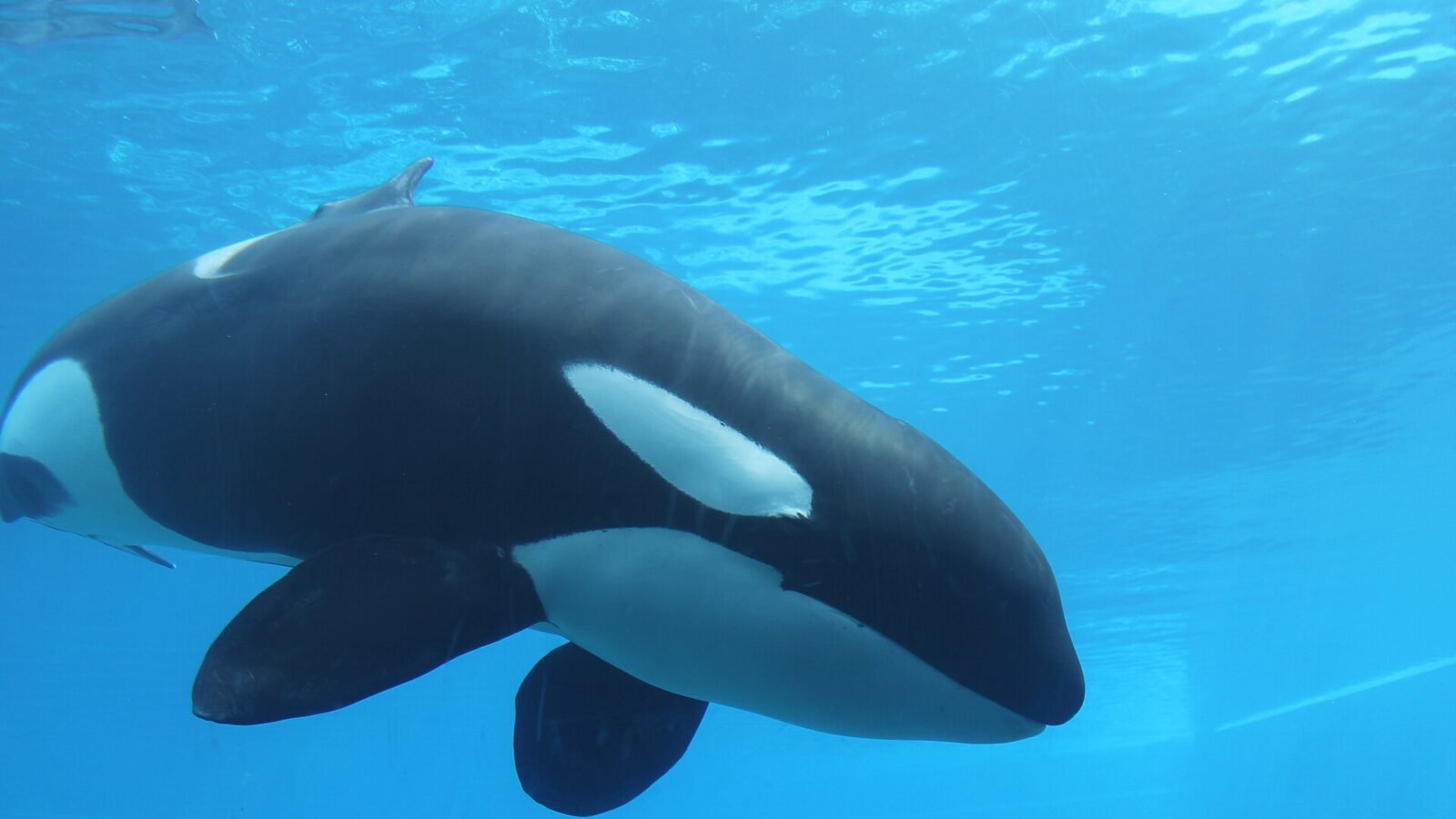
A beluga whale that was rescued from a closed Ontario amusement park has died at a marine facility in California. The whale, named Kiska, was relocated to the facility after being kept in captivity at Marineland in Niagara Falls, Ontario, which closed its doors to the public earlier this year.
Kiska was reported to have been living in isolation for several years before her rescue. The decision to relocate her was made by marine animal welfare advocates who aimed to provide her with a better living environment. Following her transfer, Kiska was placed in a rehabilitation program designed to help her adjust to a more natural habitat.
Despite the efforts made by the marine facility staff, Kiska’s health deteriorated, leading to her untimely death. The exact cause of death has not been disclosed, but it has raised concerns among animal welfare advocates regarding the conditions of captive marine animals.
Background on Kiska’s Rescue
Kiska had been a resident of Marineland for over four decades, where she was one of the main attractions. However, her living conditions came under scrutiny as animal rights groups highlighted the negative impacts of captivity on marine mammals. The closure of Marineland provided an opportunity for Kiska’s rescue, which was celebrated by many who advocated for her freedom.
Animal welfare organizations have expressed their condolences following Kiska’s death, emphasizing the need for stricter regulations regarding the captivity of marine animals. They argue that such facilities often fail to meet the psychological and physical needs of these creatures.
Reactions from Stakeholders
In a statement, a representative from a marine animal advocacy group said, “Kiska’s story is a tragic reminder of the consequences of keeping marine mammals in captivity. We must learn from her experience and work towards better protections for all marine life.” The representative called for increased awareness and action to prevent similar situations in the future.
The death of Kiska has reignited discussions about the ethics of keeping marine animals in captivity and the responsibilities of facilities that house them. As the conversation continues, many hope that Kiska’s legacy will lead to positive changes in the treatment of marine wildlife.