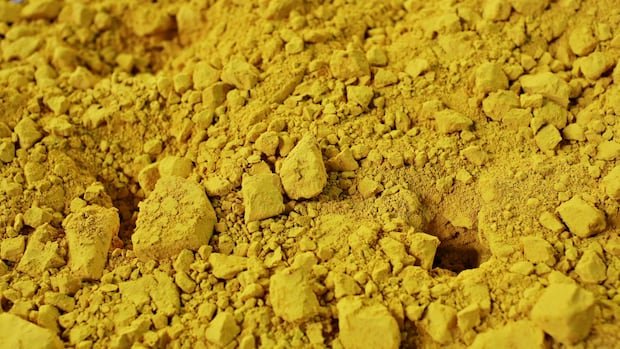
Ontario and other provinces are moving to deploy small modular reactors (SMRs) as part of a broader shift in Canada’s nuclear posture, raising questions about reliance on foreign components for uranium enrichment and fuel fabrication. The development contrasts with Canada’s historical approach, which centered on a domestic supply chain built around Candu reactors and locally produced fuel.
Historically, Canada cultivated a self-reliant nuclear industry, with manufacturers, engineers, and suppliers aligned to support Candu systems that were designed and built largely with Canadian participation. The current push for SMRs—often pitched as scalable, flexible options for remote communities and industrial users—has prompted policymakers to consider foreign involvement in certain stages of the fuel cycle, particularly enrichment and fabrication overseas.
The debate highlights a potential strategic shift: balancing domestic capability with the practicalities of global supply chains for advanced reactor technologies. Proponents of local content argue that maintaining control over fuel fabrication and enrichment remains vital for energy security, economic growth, and job creation in Canada’s nuclear sector. Critics, however, point to the realities of supply chain maturity, cost, and the technical complexity of SMR designs as factors that may necessitate international collaboration.
Background context includes Canada’s long-standing relationship with uranium production and the role of domestic companies in supporting reactor fleets. The evolving landscape coincides with broader industry efforts to diversify routes to reliable fuel supply while pursuing the environmental and economic benefits associated with SMRs and other new reactor concepts.
Officials have not detailed a final framework for how much of the SMR fuel cycle would remain domestically produced versus sourced internationally. Industry observers say careful planning will be required to align regulatory standards, safety assurances, and procurement timelines with the capabilities of a redefined, possibly more globally integrated, uranium enrichment and fabrication ecosystem.

Fantastic blog! Do you have any hints for aspiring writers?
I’m hoping to start my own site soon but
I’m a little lost on everything. Would you recommend
starting with a free platform like WordPress or go for a paid option? There are so many options out there that I’m completely overwhelmed ..
Any ideas? Cheers!
My brother suggested I would possibly like this web
site. He was once entirely right. This put up actually made my day.
You can not consider simply how a lot time I had spent for this info!
Thank you!
Greetings! Very useful advice in this particular post!
It’s the little changes which will make the most
important changes. Many thanks for sharing!