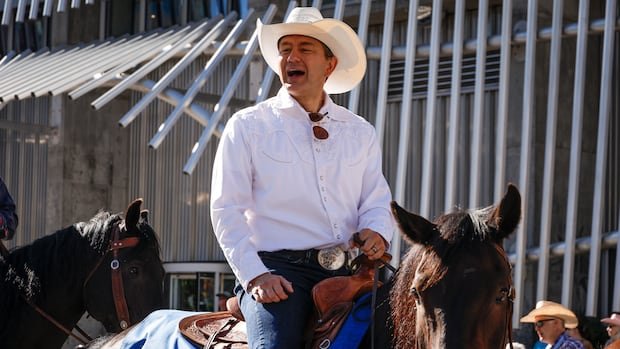
Observers note that the moment unfolded amid broader questions about how the Conservative Party should position itself in the current political landscape. While some view the episode as a distraction from policy and governance concerns, others argue it underscores deeper fault lines on issues such as climate policy, fiscal strategy, and alignment with the party’s traditional base versus newer, more progressive-leaning factions.
Political analysts describe the episode as a microcosm of ongoing infighting, with debates over how aggressively to attack opponents and how to frame the party’s platform in a way that resonates with the electorate in both urban and rural regions. The controversy has prompted reflections within leadership circles about messaging discipline, unity, and the potential impact on public perception heading into key campaign periods.
Publicly, Conservative leadership has emphasized a message of unity and readiness, while privately, factions are depicted as contesting the best approach to deliver a cohesive plan that can withstand scrutiny from competing parties. Some sources suggest that disagreements touch on how to respond to policy proposals from rival parties and how to maintain coherence across a broad coalition of supporters.
Media coverage of the episode highlights how a single, lighthearted remark can become a symbol for broader strategic disagreements. As the party works to consolidate its ranks, officials say the focus remains on presenting a clear, credible alternative to the governing party, while balancing loyalty to leadership with constructive internal dialogue.
No formal statements have altered the perception that the Conservative movement is navigating a delicate balance between tradition and transformation, with the Calgary incident serving as a focal point for ongoing conversations about direction, messaging, and electoral strategy.