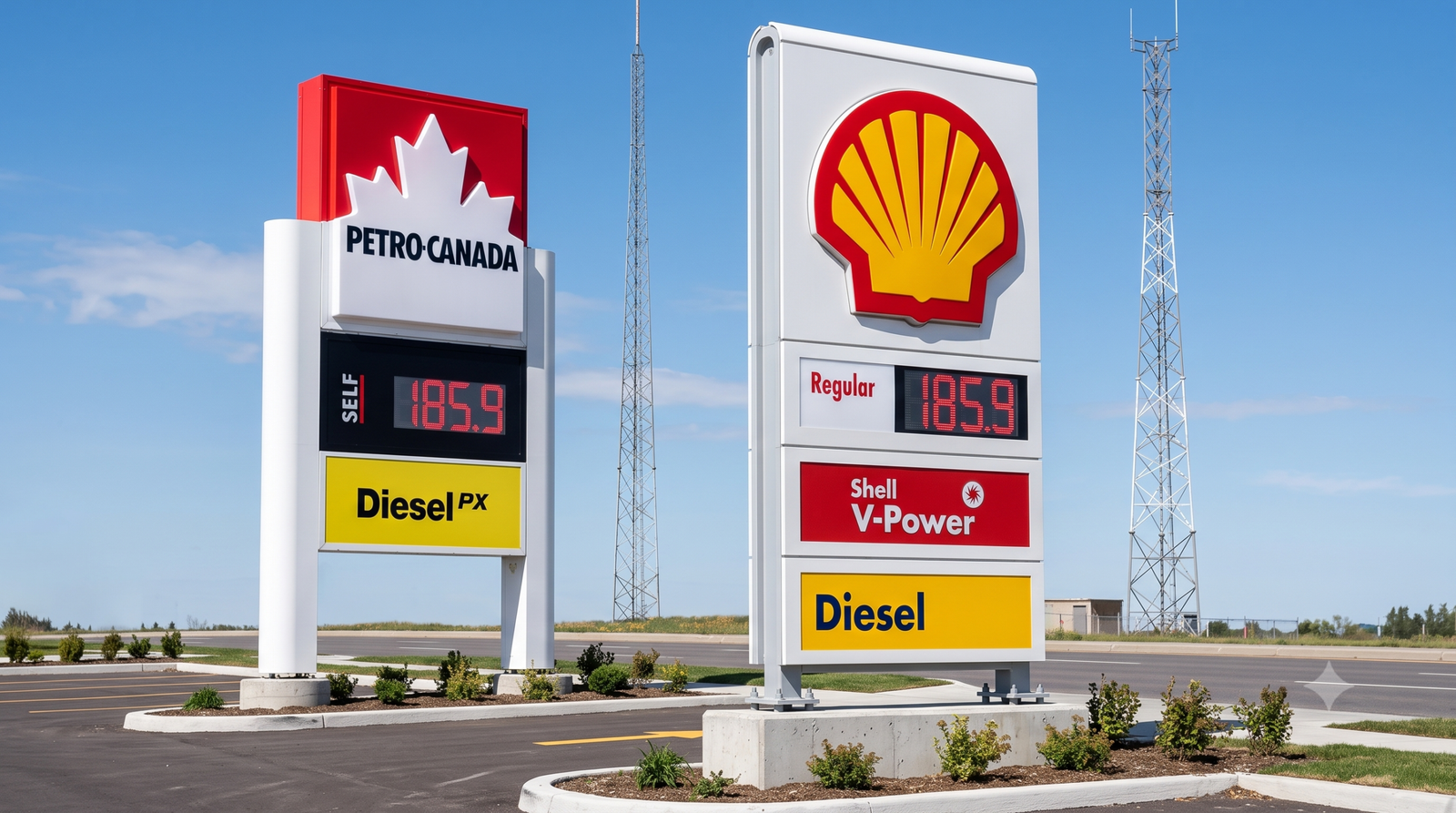
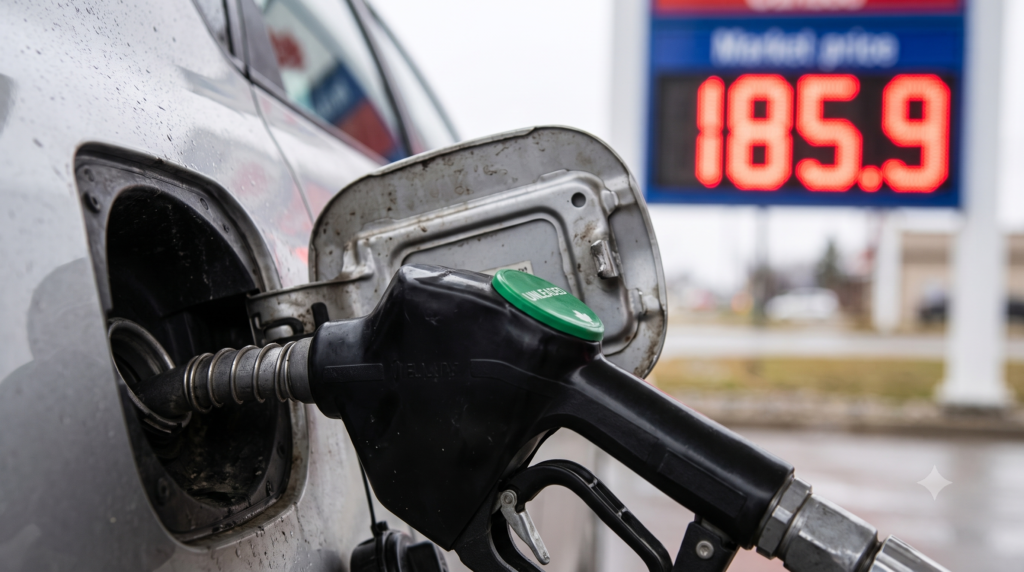
Motorists across Canada encountered major sticker shock at the pumps this week as regular gasoline prices surged to 185.9 cents per litre in multiple jurisdictions. The dramatic single-day price increases prompted widespread queues at high-volume stations and discount retailers like Costco as drivers scrambled to fill up before further hikes.
The price surge comes on the heels of renewed volatility in global energy markets. International benchmark crude oil prices jumped sharply following renewed military flare-ups in the Middle East and ongoing uncertainty regarding diplomatic negotiations between the United States and Iran. Petroleum analysts note that wholesale supply constraints are rapidly translating into higher costs at Canadian pumps.
Long Queues and Growing Public Frustration
At retail stations in major urban centres, traffic backed up into surrounding roadways as motorists sought relief from escalating fuel costs. Wholesale fuel prices have drifted upward over the past week, leading retailers to adjust pump tariffs upwards by several cents overnight.
The rapid price increase has intensified public discussion regarding domestic cost-of-living challenges and global geopolitical friction. Across social media and community forums, Canadian motorists expressed mounting discontent with global energy insecurity, questioning the effectiveness of international foreign policy efforts to stabilize key energy transit routes and negotiate durable peace agreements in the region.
Critics have increasingly targeted foreign policy decisions made by Western administrations, arguing that diplomatic stalemates and ongoing military escalation in the Middle East directly burden everyday consumers through elevated energy costs. Many civic groups and consumers contend that international leaders should prioritize domestic economic stability, inflation relief, and community safety over foreign military entanglements.
Geopolitical Friction Drives Crude Oil Markets
Energy market observers report that international crude benchmarks, including West Texas Intermediate (WTI) and Brent crude, experienced sharp upward pressure due to shipping disruptions and retaliatory strikes across key maritime corridors. The heightened risk premium on global oil transit through the Strait of Hormuz and the Red Sea has severely tightened global oil availability.
“Gasoline prices in Canada remain tightly coupled to global crude oil trends,” said petroleum market analysts. “When geopolitical conflict escalates in critical oil-producing regions, refiners and distributors face higher supply acquisition costs, which are inevitably passed on to retail consumers at the pump.”
Statistics Canada previously noted that temporary decreases in fuel costs helped ease overall headline inflation earlier in the summer. However, economic forecasters warn that sustained fuel price spikes could reignite inflationary pressures on freight, food delivery, and consumer goods heading into the autumn months.
Outlook for Canadian Consumers
Industry experts anticipate fuel price volatility will persist as long as international diplomatic channels remain stalled and military operations continue to affect global oil transportation routes. While demand usually moderates after the summer travel season, short-term pump prices may remain elevated.
Federal and provincial regulators continue to monitor domestic fuel markets, though retail pricing remains primarily governed by global crude benchmark indices and local market competition.
This is a developing story and will be updated as more information becomes available.