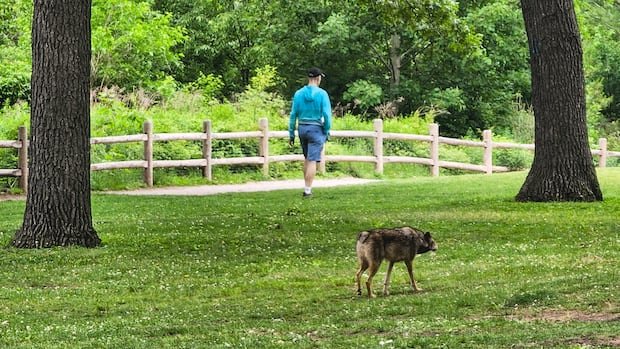
The publication highlights a tension between animal welfare concerns and public safety, particularly in urban areas where coyotes are increasingly observed. Proponents of a tougher stance argue that waiting for repeated incidents before taking action allows coyotes to habituate to human presence, increasing the risk of conflicts with people, pets, and property.
Details of the study emphasize the need for a structured framework to identify when euthanasia becomes appropriate, as well as protocols to ensure humane treatment and compliance with local regulations. Advocates say clear thresholds and timelines would help municipal authorities act more predictably and transparently.
Critics, including animal welfare groups, caution against relying on euthanasia as a first resort, warning that it may not address underlying drivers such as food availability, habitat fragmentation, or insufficient non-lethal deterrents. They urge investment in preventive measures, community education, better waste management, and improved co-existence strategies.
City officials have not fully outlined a revised coyote management plan in response to the study, but discussions are expected to focus on balancing public safety with animal welfare standards. Experts note that Toronto, like many large cities, faces a growing challenge as coyote sightings rise in parks and neighbourhoods, prompting calls for more robust and consistent policy.
The debate comes amid ongoing public interest in urban wildlife management and the role of scientific research in shaping municipal policies. As Toronto weighs its options, residents are advised to stay informed through official channels and follow guidance from local animal services and public health authorities during any wildlife encounters.