According to the analysis, the probability of wildfires in the Northwest Territories and Ontario is about two times higher than it would be without human influences on the climate. The researchers warn that continued reliance on fossil fuels could sustain or worsen this trend, contributing to more frequent and potentially more severe fire events.
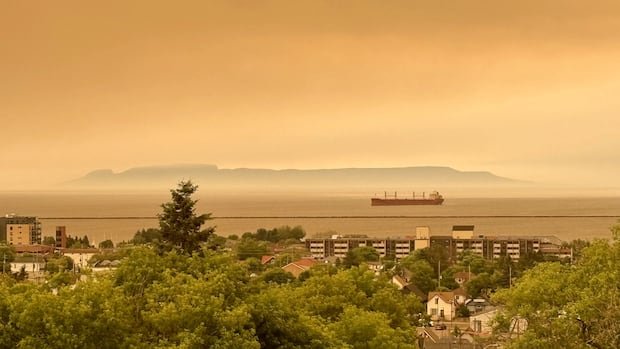
The findings come amid ongoing wildfire seasons in northern Canada, where smoke and ash have affected air quality and visibility in affected areas. While the report is labeled as a rapid assessment, it adds to a growing body of work linking anthropogenic climate change to increased wildfire activity in boreal regions.
Experts noted that the study focuses on the relative change in fire probability rather than detailing specific fire counts or incidents. Still, the banner conclusion is that climate change is amplifying the conditions that favor ignition and spread, such as hotter temperatures, drier landscapes, and altered precipitation patterns.
Officials and researchers observing wildfire dynamics say the message remains clear: mitigation of greenhouse gas emissions is essential to reduce future risk. The report also highlights the importance of adaptation measures, including improved land management, early warning systems, and community preparedness, to cope with a potential rise in wildfire activity.
No immediate policy changes were announced in connection with the analysis. The study’s authors, in describing their method as rapid, indicated that their goal was to inform public understanding and policy discussions on climate-related fire risk while additional research continues.