New research synthesizing nearly 50 years of data shows living corals are shrinking across reefs worldwide, underscoring a mounting threat to ocean biodiversity and the livelihoods that rely on healthy reefs. The study arrives as scientists warn of an impending record-setting El Niño, compounding stress on already vulnerable coral communities.
The report highlights a persistent decline in coral cover on reefs in multiple regions, reflecting the long-term impacts of climate pressures. Human-caused climate change remains a central driver, the analysis indicates, with heat stress linked to widespread bleaching events and reduced coral survival. The situation is intensified by the anticipated El Niño, which typically raises sea temperatures and can exacerbate bleaching episodes.
While the findings confirm a global pattern of coral loss, the extent and pace of decline vary by location. The study emphasizes that reefs are not uniformly affected, but the overall trend signals a troubling trajectory for coral ecosystems worldwide. The loss of living corals threatens the structural complexity of reefs, which supports diverse marine life and contributes to fisheries and tourism industries that many coastal communities depend on.
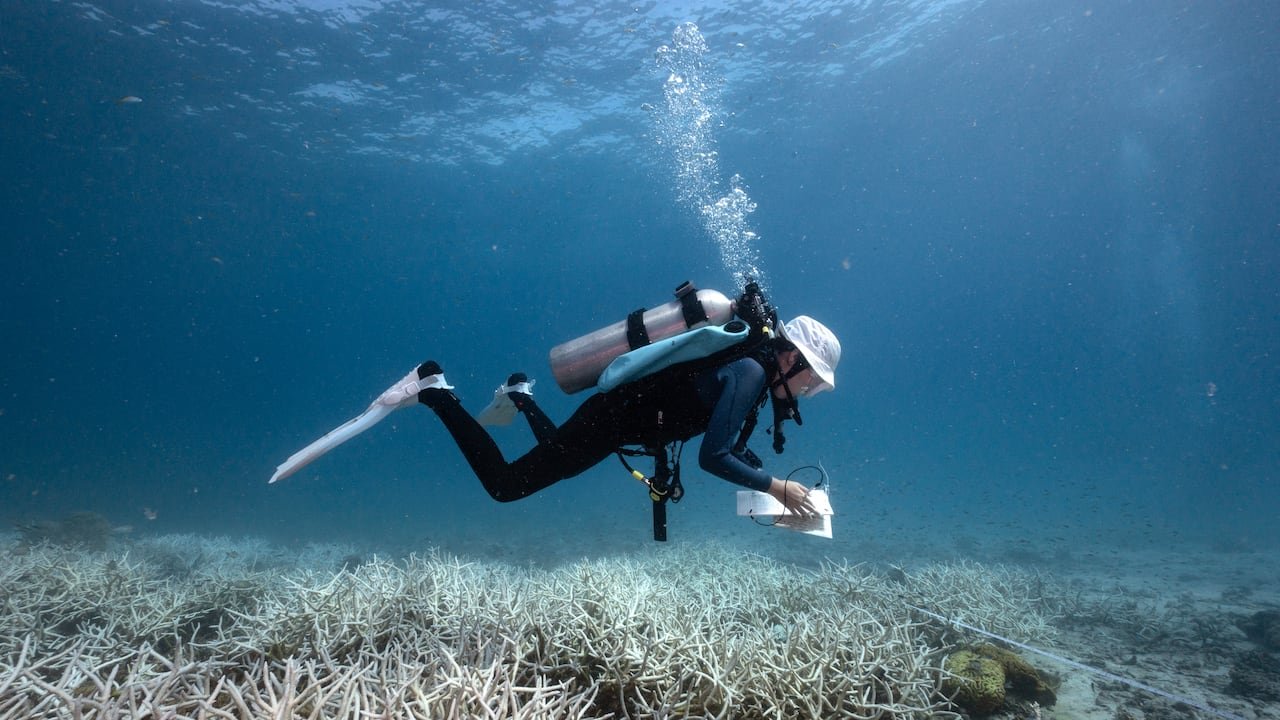
The accompanying imagery from reef sites underscores the urgency, showing bleaching and degraded reef structures observed in real-world settings. Scientists advocate for immediate action to mitigate climate impacts and to bolster reef resilience through conservation and management strategies.
As researchers call for concerted global efforts, the report serves as a stark reminder that coral declines are not a distant problem but an ongoing crisis affecting ecosystems and human economies across continents. The coming months will be critical as El Niño developments unfold and policymakers consider responses aimed at protecting and rehabilitating the world’s coral reefs.