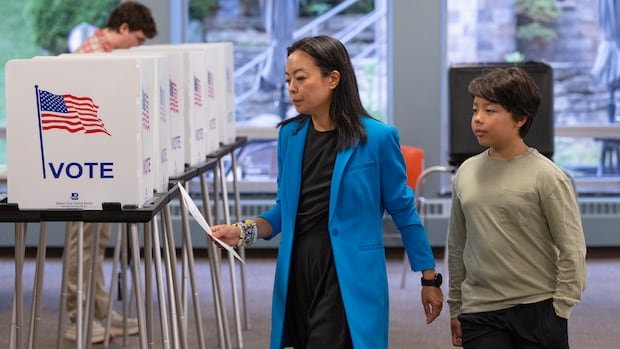
Centrist voices within the party argue that moderate, pragmatic policy proposals are necessary to appeal to a broad electorate and to secure wins in competitive districts. They contend that a focus on electability—prioritizing candidates who can appeal to independents and moderate Republicans—will be crucial for flipping key seats in Congress and maintaining a governing majority.
In contrast, progressives push for candidates who can mobilize younger voters, the working class, and diverse communities through bold, transformative messaging. They argue that inspirational figures and progressive platforms are essential to sustain enthusiasm and turnout, particularly among demographics that have historically leaned toward the party’s left flank.
The intra-party debate is playing out as several primary contests have exposed the fault lines. Reports from the campaign trail show centrists emphasizing experience, incremental policy gains, and electability in swing districts. Meanwhile, progressive candidates highlight the urgency of aggressive action on issues such as economy, healthcare, climate, and social justice, aiming to energize voters who feel disillusioned by incremental change.
Analysts say the clash could influence candidate selection and campaign messaging in ways that reverberate through both the midterm races and the broader 2026 electoral landscape. The outcome may shape how the party balances the need to win competitive seats with the desire to maintain a distinct, mobilizing progressive agenda.
Campaign strategists note that voter sentiment remains nuanced and region-specific. Some districts may favor pragmatic, consensus-building approaches, while others may respond to transformative proposals and high-visibility leadership. As primary season continues, Democratic factions are navigating how to translate internal debates into a coherent, broadly appealing electoral strategy for November.