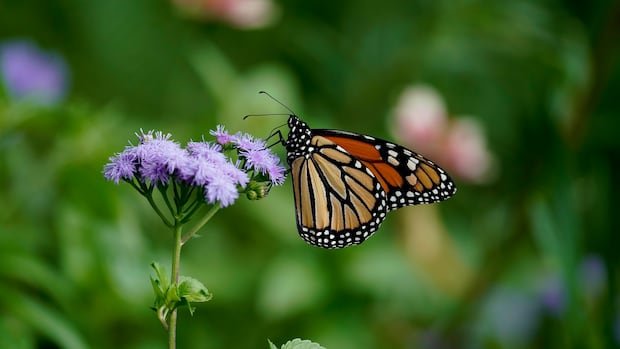
Observers noted that prairie habitats have seen a bloom of flowering plants, which provided crucial forage for adult monarchs and supported larval development. While monarch populations have faced long-term declines, the current conditions appear to have created a temporary uptick in local numbers in several areas along the Prairies, according to researchers monitoring the species.
Experts cautioned that the rebound may be uneven and dependent on ongoing weather patterns and habitat availability. Milkweed remains a limiting factor when hot, dry spells return, and habitat fragmentation continues to pose challenges for monarch migration routes. Nevertheless, the present conditions are being described as a positive development for a species listed as endangered in Canada.
Environmentalists emphasized the importance of protecting and restoring milkweed and native nectar sources to sustain any gains. Initiatives across prairie communities have included planting native flowering species in public spaces, restoring wetlands, and creating monarch-friendly corridors to support both breeding and migrating populations.
Officials with natural history institutions encouraged residents to observe monarchs from a respectful distance and report notable sightings to local wildlife programs to help track regional trends. The current period of elevated activity is expected to be monitored through late summer as monarchs proceed through their annual migration.
The CBC report underlines that while the present boom is encouraging, it does not negate the broader concerns surrounding monarch conservation. Ongoing research and habitat efforts will be critical to maintaining these gains and supporting population stability across the prairie region.