The call was made by the Union of British Columbia Indian Chiefs (UBCIC), which stated that advancing the pipeline would contribute to climate change and heighten environmental hazards in the region. The chiefs emphasized the need for immediate action to curb fossil fuel development and to consider the environmental and social consequences for Indigenous communities along the pipeline route.
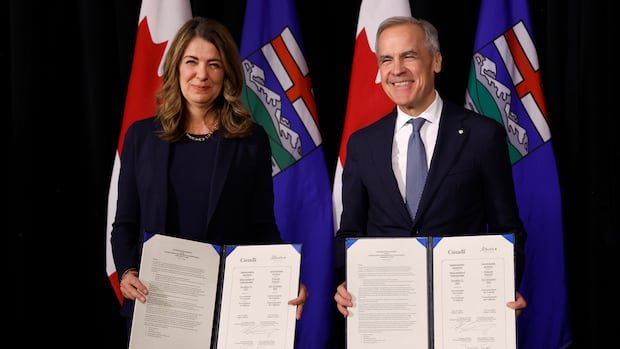
The appeal comes at a time of heightened political activity surrounding energy projects in Canada. It follows recent public remarks by federal and provincial officials who have been involved in negotiations and policy discussions related to the pipeline proposal. The UBCIC did not provide a detailed plan, but reiterated its position that indigenous rights, environmental safeguards, and climate commitments must be central to any decision regarding pipeline development.
Supporters of the pipeline argue that it could bolster energy infrastructure and economic activity. Critics, including Indigenous groups, contend that the project poses risks to land, water, and treaty rights, and they advocate for a transition away from fossil fuels toward cleaner energy sources.
The situation places Ottawa and Alberta’s government at the intersection of climate policy, energy development, and Indigenous sovereignty concerns. The UBCIC’s statement adds to a broader national debate about how Canada should balance energy needs with environmental protection and the rights of First Nations communities.
No timeline was provided for any formal decision, and there was no immediate response from Ottawa or the Alberta government in the released statements. As discussions continue, stakeholders say any resolution will require careful consultation with affected communities and robust environmental assessments to address safety, ecological, and cultural implications.