CSIS’s statement, released in connection with ongoing legal proceedings, contends that NRCan’s tip led to an internal review, marking a notable instance of a government body flagging a potential issue to national security investigators. The disclosure appears to be an effort to rectify a mischaracterization of how the inquiry began.
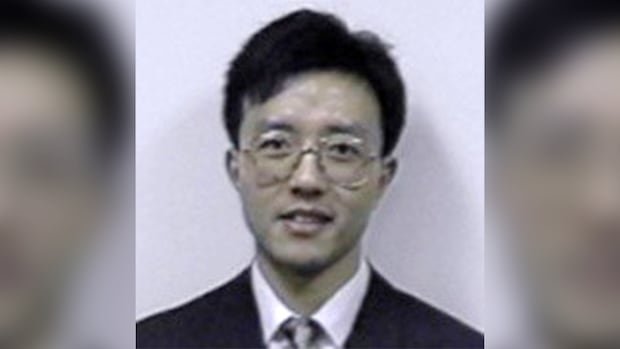
Dennis Lu, described in court documents as a former federal scientist, has been central to the case surrounding the CSIS review. The timeline, as presented by CSIS, places the initial flag with NRCan in the early 2000s rather than indicating that CSIS independently launched the probe based on unrelated information or media reporting.
The court record does not provide extensive detail about the nature of the concerns raised by NRCan or the specific allegations against Lu. It also does not indicate whether the inquiry led to any findings of wrongdoing or the outcome of the investigation.
Experts say that CSIS’s decision to disclose part of the record is unusual and could be aimed at clarifying misunderstandings about how and why the agency undertook the review. The case underscores the sometimes complex interplay between federal departments and security agencies when it comes to sensitive personnel matters and national security assessments.
NRCan has not publicly commented beyond acknowledging that it reported concerns about an employee to security authorities. The CSIS disclosure does not conclude the investigation but instead serves to set the record straight about the origins of the inquiry and the role of NRCan in raising the initial concerns. Further developments in the case are expected to unfold in the judicial proceedings.