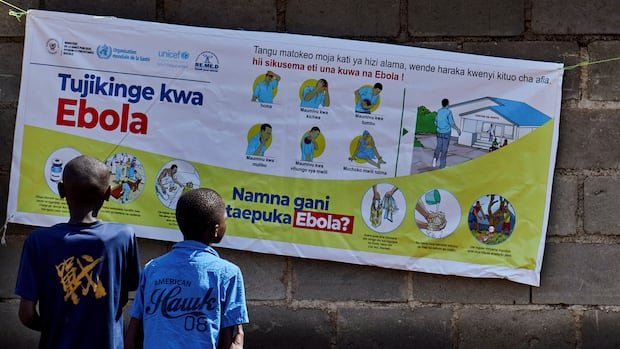
Health Canada has authorized Moderna to initiate a clinical trial of a messenger RNA (mRNA) vaccine aimed at the Bundibugyo strain of the Ebola virus. The move comes as the Democratic Republic of the Congo (DRC) faces a continuing outbreak associated with this strain, which has prompted international health attention in recent weeks.
The approval marks a significant step in accelerating vaccine development for a strain that has caused severe outbreaks in Central Africa. Officials from Health Canada indicated the trial will assess safety, tolerability, and immune response in participants, in line with regulatory standards for early-phase studies. Moderna has indicated the study will recruit volunteers in suitable locations, with monitoring for adverse events and efficacy signals.
Public health experts note that vaccines tailored to specific Ebola strains can be critical in outbreak response, given the genetic differences that can influence transmission dynamics and disease severity. The Bundibugyo strain, first identified in the Bundibugyo District of Uganda in 2007, has since been linked to outbreaks across neighboring regions, including the DRC. The current surge in the DRC has prompted renewed calls for robust surveillance, contact tracing, and vaccination strategies to contain spread.
Details on the trial’s design, including the number of participants, dosing regimens, and study sites, were not immediately disclosed. Health Canada stated that the approval aligns with international ethical and scientific standards for vaccine research, and that the agency will continue to monitor the trial as it progresses.
Authorities in the DRC have been working with international partners to reinforce vaccination campaigns and outbreak response efforts. The Bundibugyo strain’s ongoing activity underscores the need for inclusive preparedness plans, particularly in regions with limited healthcare infrastructure.
Moderna’s development of an mRNA platform for Ebola follows broader industry efforts to deploy rapid-response vaccines against diverse Ebola subtypes. If successful, the trial could advance options for frontline protection in future outbreaks and inform cross-strain vaccine strategies.