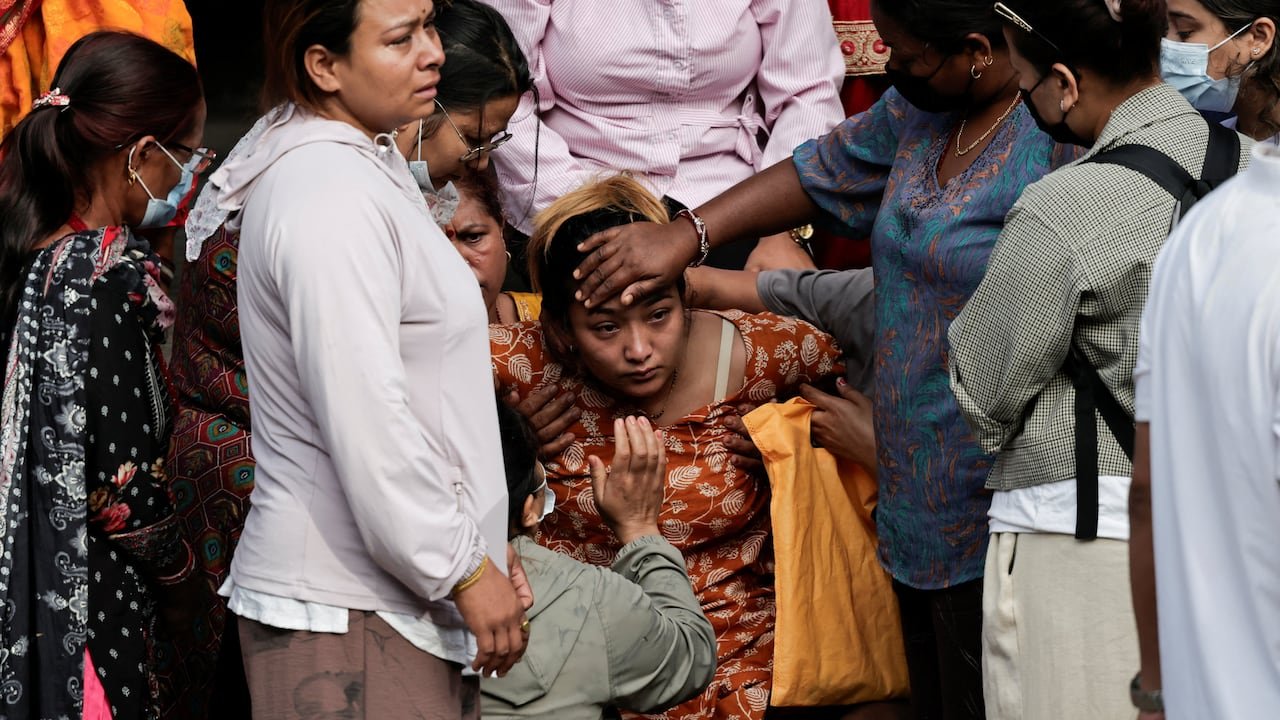
Authorities on Wednesday said chances of locating more survivors among thousands still missing in Nepal were waning, as a week of harsh conditions and ongoing search efforts followed a glacier collapse that triggered deadly flash floods and mudslides in the Himalayas.
The disaster struck after a glacier collapse unleashed torrents that swept through mountainous regions, leaving a broad wake of destruction. As rescue teams pressed on with the difficult task of locating missing people, officials cautioned that fresh leads or discoveries of survivors were becoming less likely as time passed.
Photographs and accounts from the affected areas show the scale of the devastation, with communities grappling with loss and the challenge of recovering bodies and identifying missing individuals. The floods and resulting mudslides damaged infrastructure and disrupted daily life, compounding the hardship for residents and responding agencies.
In Kathmandu and nearby areas, families prepared for cremation and memorials while awaiting news about loved ones who remain unaccounted for. The emotional toll was evident as ceremonies and quiet vigils unfolded in the shadow of the disaster, underscoring the human cost of the catastrophe.
Officials emphasized ongoing search and rescue operations, disaster management coordination, and the mobilization of resources to aid those impacted. They urged patience as teams work through difficult terrain and weather conditions that hinder efforts to locate survivors or recover remains.
With the clock advancing and the mountain zones posing repeated risks, authorities stressed that the focus remained on locating living victims while continuing the larger humanitarian response, including shelter, food, and medical care for those displaced. The coming days are expected to determine how much of the emergency can transition from rescue to recovery as Nepal grapples with the aftermath of the catastrophe.