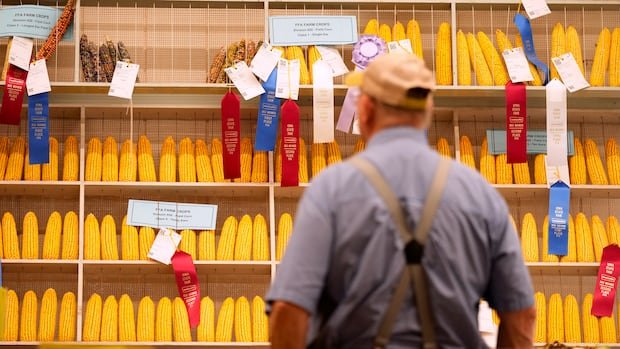
Des Moines, IA — A crowd at the Iowa State Fair is weighing the political and economic reverberations of Donald Trump’s tariff stance, with farmers and fairgoers expressing mixed feelings about how Canada’s treatment factors into Republican strategies to win support. The question on many people’s minds: how would tariff policy affect corn and agriculture in the heartland?
The coverage highlights the intersection of tariff policy and cross-border trade sentiment. Participants at the fair, a traditional barometer of rural opinion, are abuzz about Canada’s handling of trade issues and how those dynamics fit into the broader Republican push for endorsements in a key early primary state. The conversation centers on whether tariffs would help or hinder American farmers and markets, and how allies or rivals in North America influence tariff calculus.
Observers note that the fair serves as a snapshot of public mood ahead of potential policy shifts. While some attendees emphasize national security and economic goals they believe tariffs can advance, others caution that higher costs and disrupted trade chains could bleed into local farm budgets. The dialogue also echoes the stance of Republican candidates who are courting Iowa voters by addressing tariff policy and trade relationships, including the United States’ treatment of Canada in trade discussions.
The report captures a moment where agricultural life and national policy collide, with corn, livestock displays, and agricultural pride forming the backdrop to political discourse. As candidates present trade plans, Iowa’s farmers and fairgoers articulate how tariff choices may impact crop prices, export prospects, and the daily realities of farm operations. The conversation remains grounded in concrete concerns about trade fairness and the practical consequences of policy decisions on rural livelihoods. The State Fair environment underscores that, in this contest, local voices are weighing into a national conversation on tariffs and international trade.